Next‑generation sequencing (NGS) assay with hybrid capture enrichment for the detection and whole‑genome sequencing of approximately 200 RNA and DNA viruses relevant to public health. It integrates library preparation, enrichment, sequencing, and data analysis into an optimized workflow of about two days.
Detailed Description
Principle of operation
The panel can start from RNA, DNA, or total nucleic acid extracted from host or environmental samples. When the sample contains RNA, it is denatured and converted into double‑stranded cDNA; subsequently, the material is fragmented by tagmentation with Bead‑Linked Transposomes for Enrichment (EBLTL). Libraries are indexed with unique dual indexes, pooled, and subjected to hybrid‑capture enrichment with probes that cover the target viral genomes to generate whole‑genome sequencing data.
Clinical applications
It is aimed at outbreak genomic surveillance, zoonotic surveillance, mutation tracking, and variant monitoring. The workflow supports clinical and remnant clinical samples such as plasma, serum, skin lesions, and nasopharyngeal swabs, as well as environmental samples, including wastewater, for regional surveillance and early detection of viral sequences.
Benefits
Compared to metagenomic shotgun sequencing, hybrid capture enrichment reduces unnecessary sequencing of host material and non‑target microorganisms, decreases the need for high read depths, reduces costs, and favors higher throughput. Additionally, the document indicates that, compared to targeted methods such as amplicon sequencing, hybrid capture offers more uniform coverage of the viral genome and greater capacity to identify mutations and divergent sequences. The workflow is compatible with automation, requires little hands‑on time, and can be completed in approximately two days.
Key results or indicators
In multiviric samples prepared with 1000 genomic copies per reaction, the panel recovered on average 99.1% of the Human adenovirus E genome and 99.4% of the Influenza A virus (H3N2) genome, while shotgun sequencing recovered on average 1.9% and 0%, respectively. In remnant clinical samples, all samples enriched with Viral Surveillance Panel v2 showed higher viral detection sensitivity than shotgun metagenomics. In wastewater, it also demonstrated higher detection sensitivity in complex samples with low viral load, even when shotgun sequencing increased the total number of reads approximately six‑fold.
Technology used
It uses NGS with hybrid capture target enrichment, tagmentation with EBLTL, unique dual indexing of up to 384 libraries, and analysis with DRAGEN Microbial Enrichment Plus App on BaseSpace Sequence Hub. Bioinformatic processing includes sample quality control, reference‑guided alignment against a curated viral database, variant calling, consensus sequence generation, antiviral resistance prediction for influenza A/B, and integration with Pangolin and Nextclade for phylogenetic assignment in compatible viruses.
Intended user / audience
This assay is intended for public health organizations and researchers who need viral surveillance, viral genome characterization, and analysis of complex samples in research contexts.
Considerations or limitations
It is a product for research use only and not for diagnostic procedures. The protocol is optimized for 10–100 ng of purified total RNA, DNA, or total nucleic acid; smaller amounts or lower quality material may reduce library yield. It is not recommended to normalize samples by equal mass; it is recommended to use the same volume of extracted nucleic acid per sample. It is recommended to pool samples with similar viral titers; mixing very different titers may bias results. In complex samples, such as wastewater, off‑target reads may be expected if other microbial nucleic acids are present.
Other relevant technical information
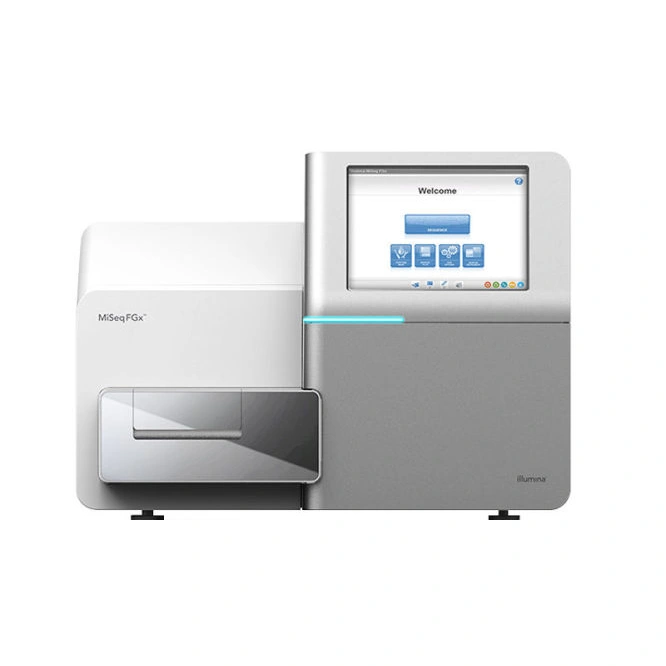
The workflow supports sequencing on Illumina MiniSeq, MiSeq, NextSeq 550, NextSeq 1000, and NextSeq 2000 systems. For good quality samples, the general recommendation is a minimum of 2 million reads per sample with a read length of 2 × 150 bp; for wastewater, the document recommends a minimum of 8 million reads per sample.
Key Features
Covers approximately 200 RNA and DNA viruses, including viruses of high public health relevance.
Hybrid capture enrichment for viral detection and whole‑genome sequencing with lower depth requirement than shotgun metagenomics.
Compatible with host and environmental samples, including plasma, serum, skin lesions, nasopharyngeal swabs, and wastewater.
Integrated workflow from library preparation to bioinformatic analysis in approximately 2 days with little hands‑on time.
Unique dual indexing and multiplexing capacity of up to 384 libraries.
Analysis with DRAGEN Microbial Enrichment Plus App and support for quality control, variants, consensi, and phylogenetic assignment.
Presentation Details
Format
Targeted sequencing protocol for VSPv2 available as a kit in four 96‑sample sets. Each kit includes reagents for 32 reactions and, using the recommended 3‑plex format, can process 96 samples. Additionally, the panel can be purchased alone.
Kit Contents
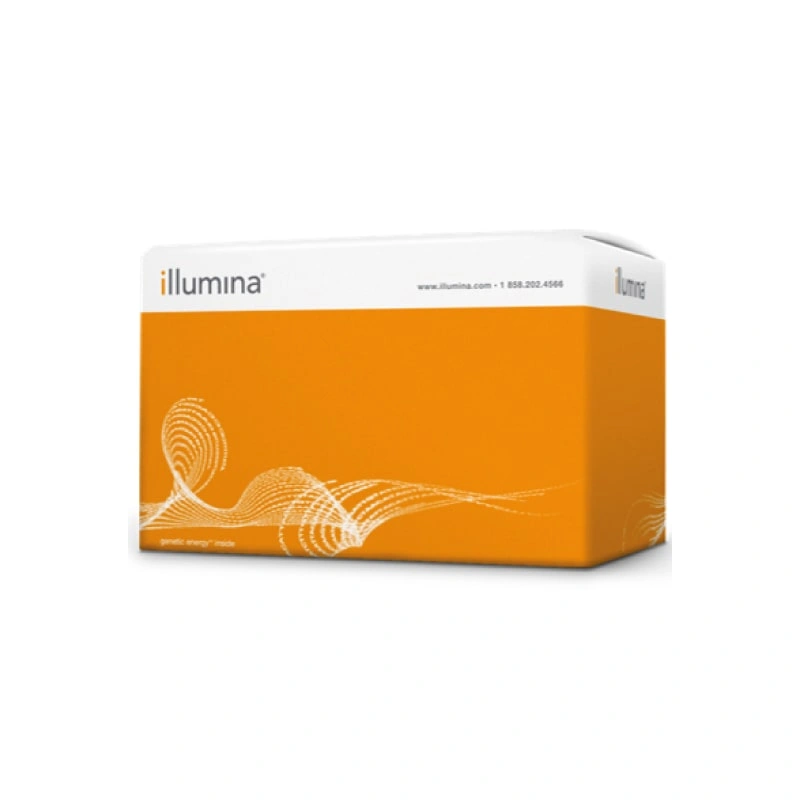
The content is distributed across several boxes including reagents such as Illumina Viral Surveillance Panel v2, Illumina RNA Prep with Enrichment (L) Tagmentation library preparation reagents, Illumina Purification Beads, and an Illumina DNA/RNA UD Indexes adapter plate.
References
| Illumina Viral Surveillance Panel v2 Kit, Set A (96 samples) | 20108081 |
| Illumina Viral Surveillance Panel v2 Kit, Set B (96 samples) | 20108082 |
| Illumina Viral Surveillance Panel v2 Kit, Set C (96 samples) | 20108083 |
| Illumina Viral Surveillance Panel v2 Kit, Set D (96 samples) | 20108084 |
| Illumina Viral Surveillance Panel v2, Panel Only (96 samples) | 20123403 |
×