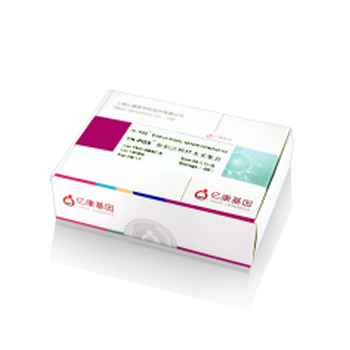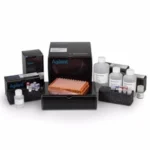
ERT (Endometrial Receptivity Test)

ERT (Endometrial Receptivity Test) is to determine endometrial receptivity by RNA-seq analysis of the expression levels of numerous genes. 

image 35

Embryo implantation is a complex process involving many biological mechanisms, in which endometrial receptivity and embryo quality are the most influential factors. 1/3 implantation failure is due to the low quality of the embryo and the other 2/3 is due to insufficient endometrial receptivity. Thus, finding the right window of endometrial receptivity for embryo implantation can greatly improve the clinical pregnancy of IVF-ET (In vitro Fertilization & Embryo Transfer).
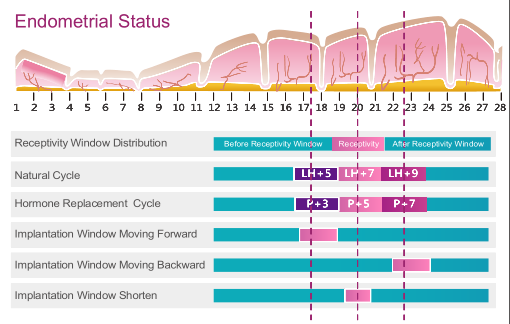
image 36

ERT can be used for both natural reproduction cycles and hormone replacement therapy cycles. Endometrial tissue is collected through biopsy at LH+7 or P+5. The date of Embryo transfer is determined/adjusted according to ERT results. 

Who is it for? 

This study is aimed at patients with repeated implantation failures (3 or more failures with embryos of quality, or failures with implantation of at least 10 available embryos). The conditions including uterus pathological diseases, thrombosis inclination, repeated pregnancy loss, chromosomal abnormalities of the embryo should be excluded. 
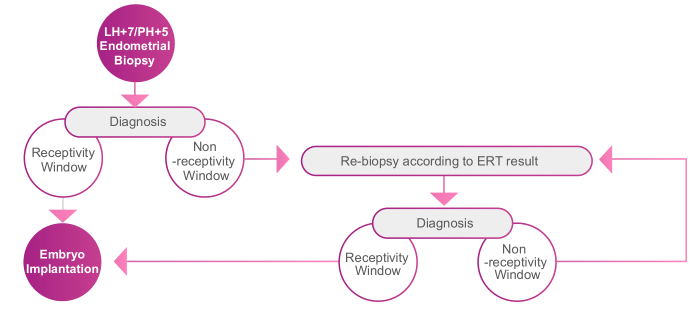
image 37

Area:

Molecular Genetics, Preimplantation genetic diagnosis, Reproduction

Documents:

Consult our experts

Google reCaptcha: Invalid site key.

Related products

Devyser CFTR for NGS

Operating Principle: The Devyser CFTR NGS kit redefines the genetic diagnosis of cystic fibrosis by offering a comprehensive and precise solution, validated for clinical use. With a unique single-tube library preparation approach, this kit optimizes the CFTR gene analysis process, significantly reducing hands-on time and contamination risk while improving diagnostic accuracy. Clinical Applications Advances in…
Devyser
Next Generation Sequencing (NGS)

Twist Precision Exome Dx

IVDR workflow for whole exome sequencing (WES) that integrates Twist's exclusive double-stranded DNA (dsDNA) probe technology with its library preparation and targeted capture reagents. The result: achieving the best coverage uniformity on the market and superior quality data for clinical environments. Detailed Description Operating Principle The system combines a streamlined library preparation, based on single-tube…
Twist Bioscience
Next Generation Sequencing (NGS)

Gilbert Syndrome kit FL

Distinguish mutated alleles from wild type alleles through fragment analysis.
Clonit
Fragment Analysis

Twist Comprehensive Exome and Twist Exome 2.0+

Twist Human Comprehensive Exome and Twist Human Exome 2.0+ are two of the capture solutions for human exome sequencing from Twist Bioscience. The combination of Twist's proprietary double-stranded DNA (dsDNA) probes and its library preparation and capture reagents achieves the best market uniformity of coverage and the lowest duplicate rate, generating the highest quality data…
Twist Bioscience
Next Generation Sequencing (NGS)