ERT (Endometrial Receptivity Test)

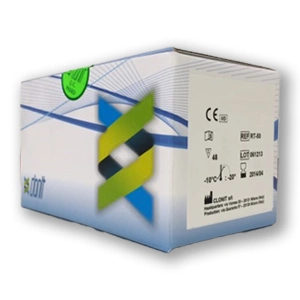
ERT (Endometrial Receptivity Test) is to determine endometrial receptivity by RNA-seq analysis of the expression levels of numerous genes. 

ERT

Embryo implantation is a complex process involving many biological mechanisms, in which endometrial receptivity and embryo quality are the most influential factors. 1/3 implantation failure is due to the low quality of the embryo and the other 2/3 is due to insufficient endometrial receptivity. Thus, finding the right window of endometrial receptivity for embryo implantation can greatly improve the clinical pregnancy of IVF-ET (In vitro Fertilization & Embryo Transfer).
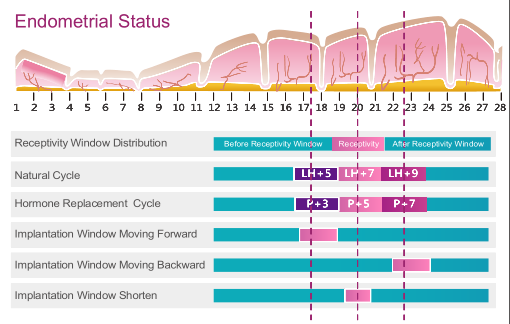
image 36

ERT can be used for both natural reproduction cycles and hormone replacement therapy cycles. Endometrial tissue is collected through biopsy at LH+7 or P+5. The date of Embryo transfer is determined/adjusted according to ERT results. 

Who is it for? 

This study is aimed at patients with repeated implantation failures (3 or more failures with embryos of quality, or failures with implantation of at least 10 available embryos). The conditions including uterus pathological diseases, thrombosis inclination, repeated pregnancy loss, chromosomal abnormalities of the embryo should be excluded. 
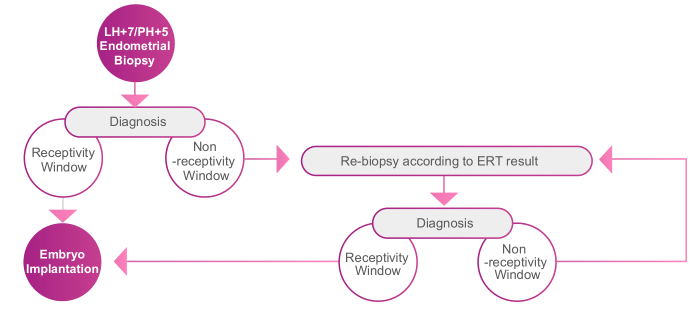
image 37

Area:

Molecular Genetics, Preimplantation genetic diagnosis, Reproduction

Documents:

Consult our experts

Google reCaptcha: Invalid site key.

Related products

Twist Enzymatic Fragmentation for PCR-Free Whole Genome Sequencing Workflow

NGS library preparation kit designed for demanding WGS applications, featuring adjustable enzymatic fragmentation, high yield, and more uniform coverage even from low-input or degraded DNA. The documentation highlights its utility in complex samples, including severely degraded FFPE, and its strong performance in AT- and GC-rich regions. Detailed Description Operating Principle This library preparation solution is…
Twist Bioscience
Next Generation Sequencing (NGS)

NGS Methylation Detection System | Twist Bioscience

Comprehensive system for NGS methylation analysis combining enzymatic conversion, target enrichment, and high-performance methylation panels to identify methylated regions with greater efficiency, less DNA damage, and optimized sequencing metrics. The solution is designed for epigenetics, oncology, and the discovery of differentially methylated regions. Detailed Description Operating Principle This is an end-to-end sample preparation and enrichment…
Twist Bioscience
Next Generation Sequencing (NGS)

Twist long-read capture chemistry with Alliance panels (dark genes and pharmacogenomics)

Target enrichment solution for long-read sequencing that combines preconfigured panels and customizable options to study complex genomic regions with high uniformity, balanced coverage, and precise analysis of SNPs, indels, and structural variants. Detailed Description Operating Principle The workflow integrates Twist's targeted enrichment technology with long-read sequencing to efficiently capture genomic regions of interest at scale.…
Twist Bioscience
Next Generation Sequencing (NGS)

Twist CNV Backbone Spike-in Panels

Spike-in panels designed to complement exome sequencing through evenly distributed genome-wide coverage, aimed at improving the detection of copy number variations (CNVs). Available in three probe densities—100 kb, 50 kb, and 25 kb—they seamlessly integrate into standard Twist target enrichment and capture workflows. Detailed Description Operating Principle Exome sequencing focuses on coding regions and other…
Twist Bioscience
Next Generation Sequencing (NGS)