Targeted library preparation workflow for whole‑genome sequencing of influenza A and influenza B from total RNA on Illumina systems. Enables preparation of up to 48 libraries with unique dual indexes and generates sequencing‑ready libraries in less than 9 hours.
Detailed Description
Principle of operation
The IMAP-Flu workflow uses a pool of 16 primers (Influenza A/B Primer Pool) to hybridize to the 3′ ends of genomic RNA segments and cDNA, allowing both cDNA synthesis and subsequent PCR amplification to generate whole‑genome amplicons ready for tagmentation. It is indicated that it amplifies all 8 genomic RNA segments from each sample.
After amplification, amplicons are fragmented and tagged by tagmentation with EBLTS. Then, an indexing PCR adds unique 10 bp dual indexes for i7 and i5, together with the sequences necessary for sequencing cluster generation.
Benefits
Preparation of up to 48 uniquely dual‑indexed libraries.
Scalable workflow from 1 to 48 samples.
Generation of sequencing‑ready libraries in less than 9 hours.
Assay for influenza A and influenza B, with the ability to analyze subtypes of both viruses.
Key results or indicators
The workflow output is a targeted whole‑genome library of influenza A/B from RNA, prepared for sequencing on Illumina systems.
Illumina recommends samples with Ct < 30 to achieve high sequencing depth and complete genome coverage.
For quantification and normalization, the documentation indicates analyzing 2 µl of the pool with the Qubit dsDNA HS Assay Kit and normalizing the library to 4 nM, with a minimum volume of 30 µl. The average library size used for molarity calculation is around 400 bp.
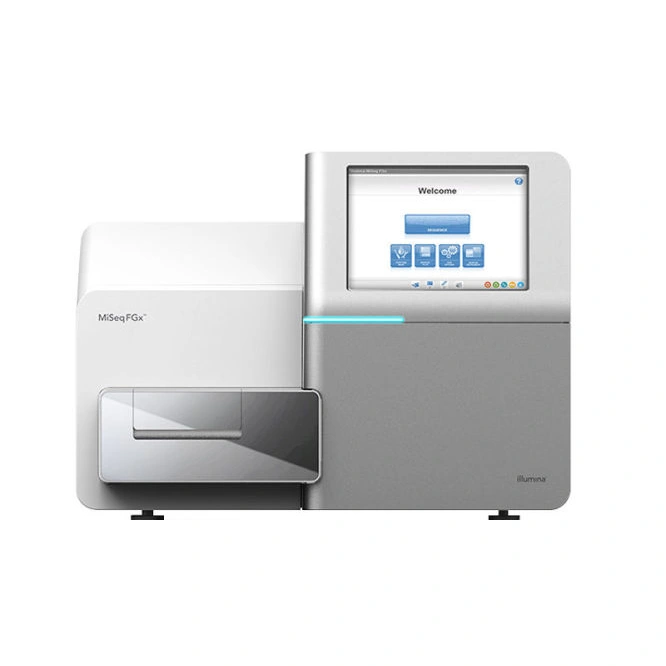
Maximum sequencing capacities with 300‑cycle cartridges for iSeq and MiSeq: iSeq up to 20 samples; MiSeq Nano v2 up to 5, Micro v2 up to 20, and Standard v2 up to 72 samples. Use with MiniSeq and NextSeq is also indicated.
In Illumina’s documentation, as an example of normalized pooling with 1 million paired‑end reads per sample, capacities of 8 samples on iSeq 100 v1/v2, 30 on MiSeq v2, 48 on MiniSeq HO, and 384 on NextSeq 500/550 HO are provided, using multiple kits and additional indexes.
Technology used
Universal whole‑genome RT‑PCR for influenza A/B.
Amplicon tagmentation with adapter addition.
Indexing PCR with unique dual indexes.
Qubit quantification and normalization prior to sequencing.
Considerations or limitations
Results may vary depending on viral load and are not guaranteed.
To maximize library preparation success, RNA samples with A260/280 and A260/230 ratios of 2.0–2.2 are recommended. Values outside this range may indicate contaminants and cause assay failure.
The documentation indicates that the protocol has been optimized and validated with specific consumables and equipment, and comparable performance with alternatives is not guaranteed.
The kit should not be subjected to more than 8 freeze‑thaw cycles.
It is recommended to work in an RNase‑/DNase‑free environment, use negative controls, and avoid amplicon carryover contamination. Pooled libraries are stable for up to 30 days at -25 °C to -15 °C.
Key Features
Targeted whole‑genome sequencing of influenza A/B from total RNA.
Up to 48 uniquely dual‑indexed libraries per kit.
Scalable preparation workflow from 1 to 48 samples.
Sequencing‑ready libraries in less than 9 hours.
Pool of 16 primers for universal whole‑genome amplification.
Recommendation of Ct < 30 for greater depth and complete coverage.
Presentation Details
Format
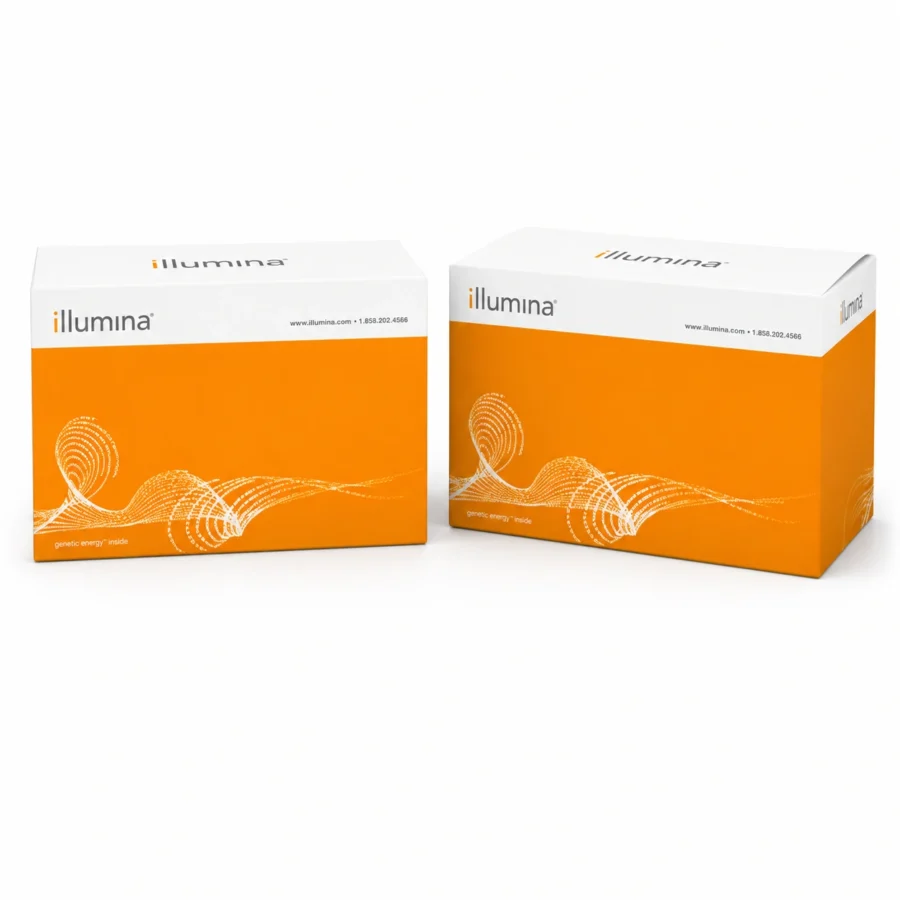
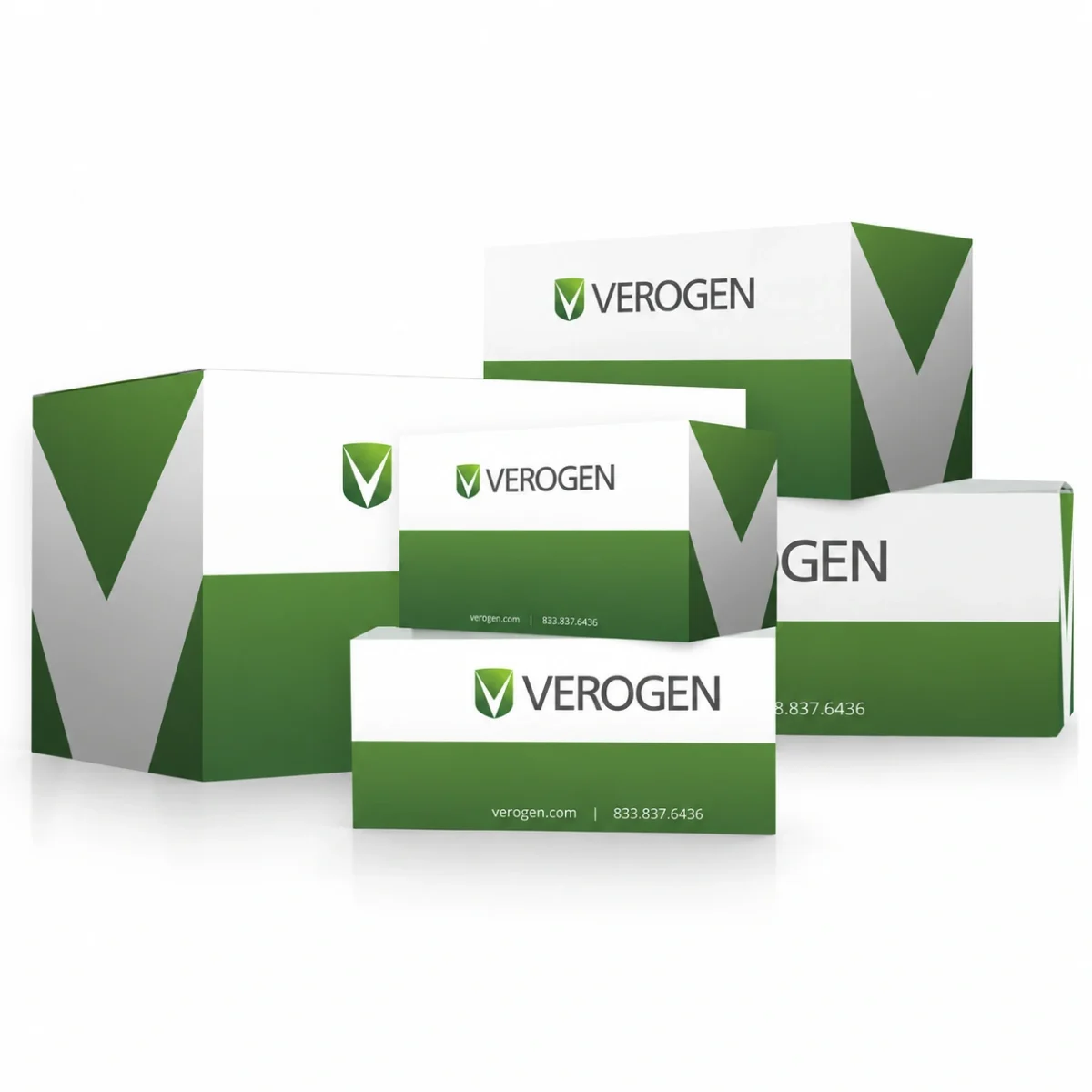
Library preparation kit for 48 samples, distributed in five boxes.
Kit Contents
Box 1 (room temperature), component #20093449: IPB (Illumina Purification Beads) and ST2 (Stop Tagment Buffer 2).
Box 2 (2 °C to 8 °C), component #20093450: EBLTS (Enrichment BLT), TWB (Tagmentation Wash Buffer) and ELB (Elution Buffer).
Box 3 (-25 °C to -15 °C), component #20093451: EPH3, EPM, FSM, IPM, RSB, RVT and TB1. The documentation indicates that EPH3 is not used in the IMAP-Flu protocol.
Illumina Unique Dual Indexes, LT, box #20083060: 1 set of unique dual indexes.
Influenza A/B Primer Pool, box #20108095: 1 IPP (Influenza A/B Primer Pool).
Storage conditions
Reagents distributed among room temperature, refrigerated, and frozen storage depending on the component.
×
 2")