HoloGRAFT ONE

Digital PCR assay for the precise quantification of donor-derived cell-free DNA (dd-cfDNA) in transplant patients.

Detailed Description

HoloGRAFT ONE is a digital PCR (dPCR) assay developed by Werfen for the detection and quantification of donor-derived cell-free DNA (dd-cfDNA) in the plasma of transplant recipient patients. This molecular marker has established itself as a useful tool for non-invasive monitoring of graft status.

During the process of cell damage in the graft—whether due to rejection, infection, or ischemic damage—donor DNA fragments are released into the recipient’s bloodstream. HoloGRAFT ONE allows for the specific detection and quantification of these fragments using digital PCR, a technology that offers superior sensitivity and precision compared to other molecular methods.
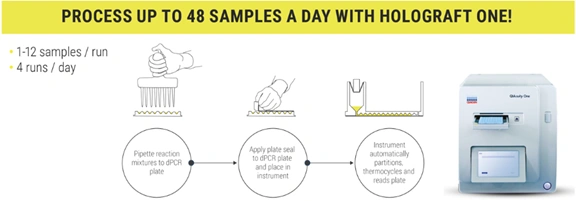
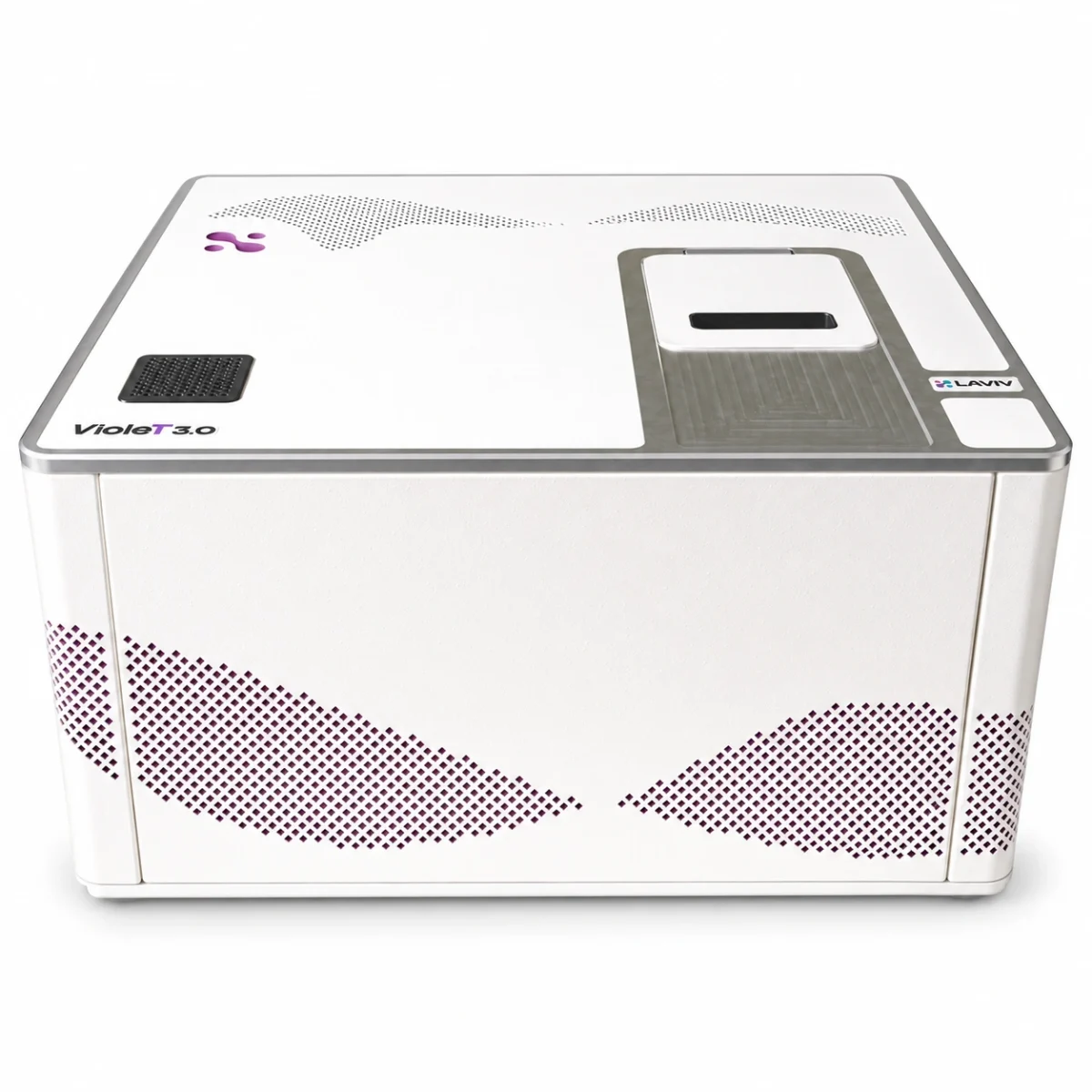
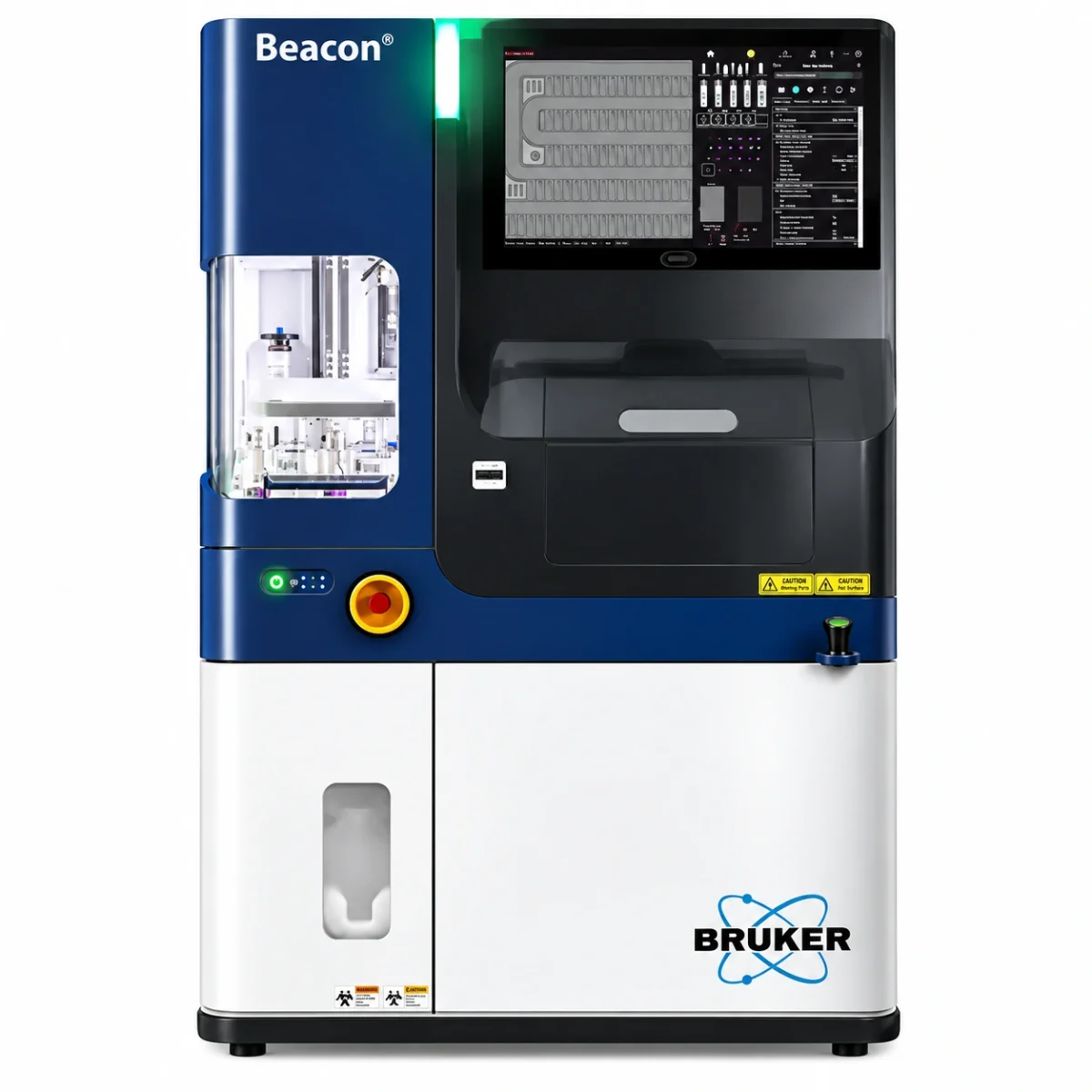
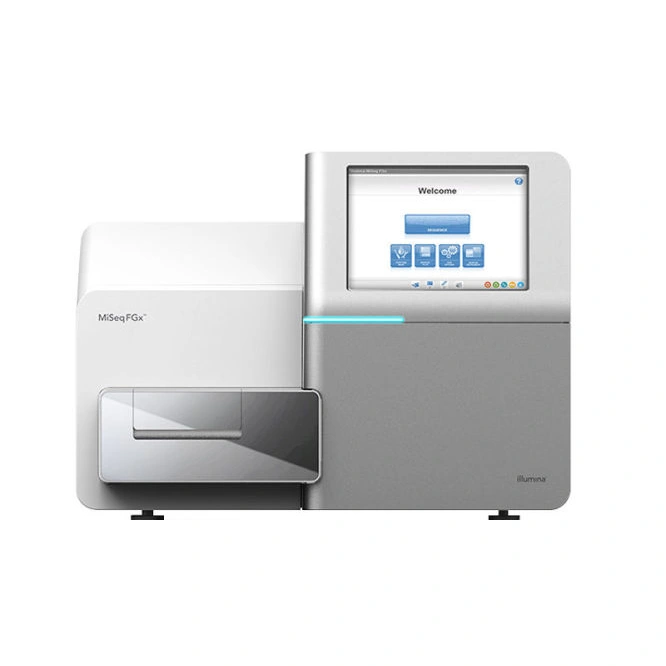
HoloGRAFT ONE Workflow

The methodology requires DNA extraction from plasma, followed by a dPCR reaction with specific probes previously selected based on the genetic differences between donor and recipient. The assay measures the percentage of dd-cfDNA relative to total cell-free DNA, expressed as a percentage.

This value allows the clinician to identify graft injury events early, facilitating therapeutic decisions based on an objective biomarker. HoloGRAFT ONE is applicable to various types of solid organ transplants, such as kidney, liver, heart, or lung, and is easily integrated into post-transplant clinical follow-up workflows.

Key Features
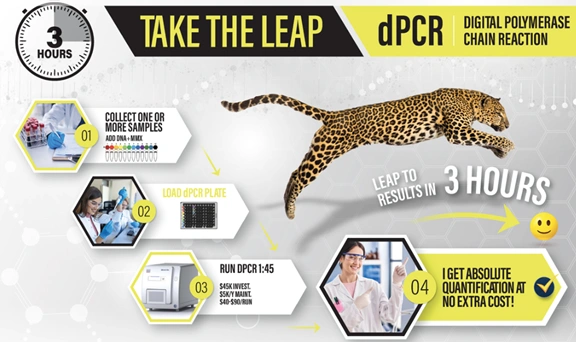
Digital PCR (dPCR) assay for dd-cfDNA detection.
Non-invasive biomarker for rejection monitoring.
High sensitivity and absolute quantification.
Requires only a plasma sample from the recipient.
Expressed as a percentage of donor-derived DNA.
Useful in kidney, liver, heart, and lung transplantation.
Direct clinical interpretation based on reference values.
Compatible with standard dPCR platforms.
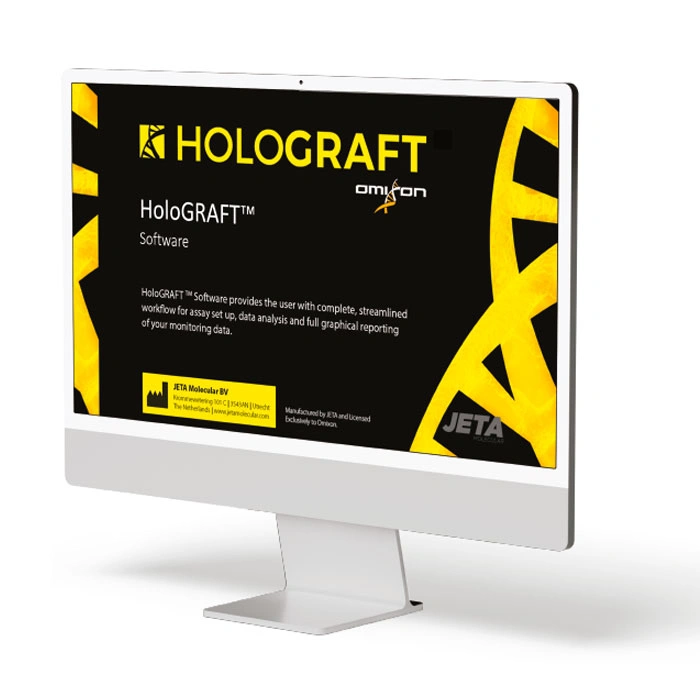
HoloGRAFT ONE Data Analysis

Ordering Information

Kit name: HoloGRAFT ONE Format: dPCR kit assay (for research use only) Sample type: recipient plasma Contents: dPCR amplification reagents, specific probes, controls Requires: prior donor/recipient genotyping (selection of informative markers) Result: percentage of dd-cfDNA relative to total circulating DNA Estimated analysis time: approximately 4 hours Compatible instrumentation: validated digital PCR platforms (consult provider) Intended use: non-invasive graft monitoring in solid organ transplantation

Area:

Immunology, Post transplantation, Solid Organ (dd-cfDNA)

Technology:

Brand:

Consult our experts

Google reCaptcha: Invalid site key.

Related products

Sepsis Pathogenic Microorganism Detection Kit (Digital PCR)

In vitro diagnostic kit based on droplet digital PCR (dPCR) for the detection of pathogenic microorganisms associated with sepsis from DNA extracted from clinical samples. The kit allows identification and quantification of pathogens without requiring blood culture, covering 21 frequent agents in bloodstream infections. Detailed Description Principle of operation The Sepsis Pathogenic Microorganism Detection Kit…
RainSure
Digital PCR

VIASURE 16S V1-V4 NGS Solution

NGS solution for library preparation aimed at the simultaneous identification and profiling of microbial species present in DNA extracted from original samples, through the analysis of the variable regions V1-V4 of the 16S rRNA gene. Product for research use only (RUO) and not intended for diagnostic procedures. Detailed Description Principle of operation VIASURE 16S V1-V4…
Certest
Next Generation Sequencing (NGS)

PN-900 CandidaGenius® C. auris screening assay

Real‑time PCR assay for the rapid and direct detection of Candida auris from non‑invasive swabs, without the need for prior culture. Detailed Description The PN-900 CandidaGenius® C. auris screening assay is a molecular tool designed for the qualitative detection of Candida auris DNA by real‑time PCR. This emerging fungus represents a growing challenge in the…
Pathonostics
Real Time PCR (qPCR)

Illumina Viral Surveillance Panel v2

Next‑generation sequencing (NGS) assay with hybrid capture enrichment for the detection and whole‑genome sequencing of approximately 200 RNA and DNA viruses relevant to public health. It integrates library preparation, enrichment, sequencing, and data analysis into an optimized workflow of about two days. Detailed Description Principle of operation The panel can start from RNA, DNA, or…
Illumina
Next Generation Sequencing (NGS)