HoloGRAFT ONE

Digital PCR assay for the precise quantification of donor-derived cell-free DNA (dd-cfDNA) in transplant patients.

Detailed Description

HoloGRAFT ONE is a digital PCR (dPCR) assay developed by Werfen for the detection and quantification of donor-derived cell-free DNA (dd-cfDNA) in the plasma of transplant recipient patients. This molecular marker has established itself as a useful tool for non-invasive monitoring of graft status.

During the process of cell damage in the graft—whether due to rejection, infection, or ischemic damage—donor DNA fragments are released into the recipient’s bloodstream. HoloGRAFT ONE allows for the specific detection and quantification of these fragments using digital PCR, a technology that offers superior sensitivity and precision compared to other molecular methods.
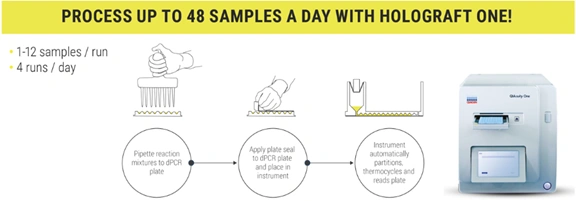
HoloGRAFT ONE Workflow

The methodology requires DNA extraction from plasma, followed by a dPCR reaction with specific probes previously selected based on the genetic differences between donor and recipient. The assay measures the percentage of dd-cfDNA relative to total cell-free DNA, expressed as a percentage.

This value allows the clinician to identify graft injury events early, facilitating therapeutic decisions based on an objective biomarker. HoloGRAFT ONE is applicable to various types of solid organ transplants, such as kidney, liver, heart, or lung, and is easily integrated into post-transplant clinical follow-up workflows.

Key Features
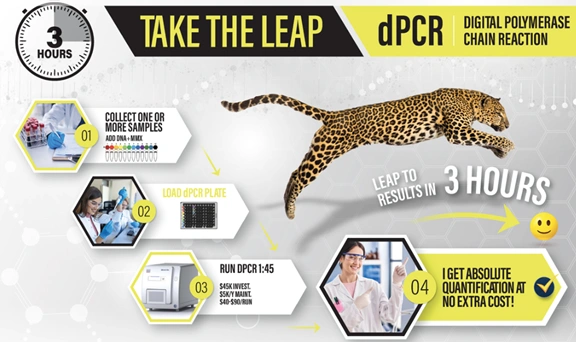
Digital PCR (dPCR) assay for dd-cfDNA detection.
Non-invasive biomarker for rejection monitoring.
High sensitivity and absolute quantification.
Requires only a plasma sample from the recipient.
Expressed as a percentage of donor-derived DNA.
Useful in kidney, liver, heart, and lung transplantation.
Direct clinical interpretation based on reference values.
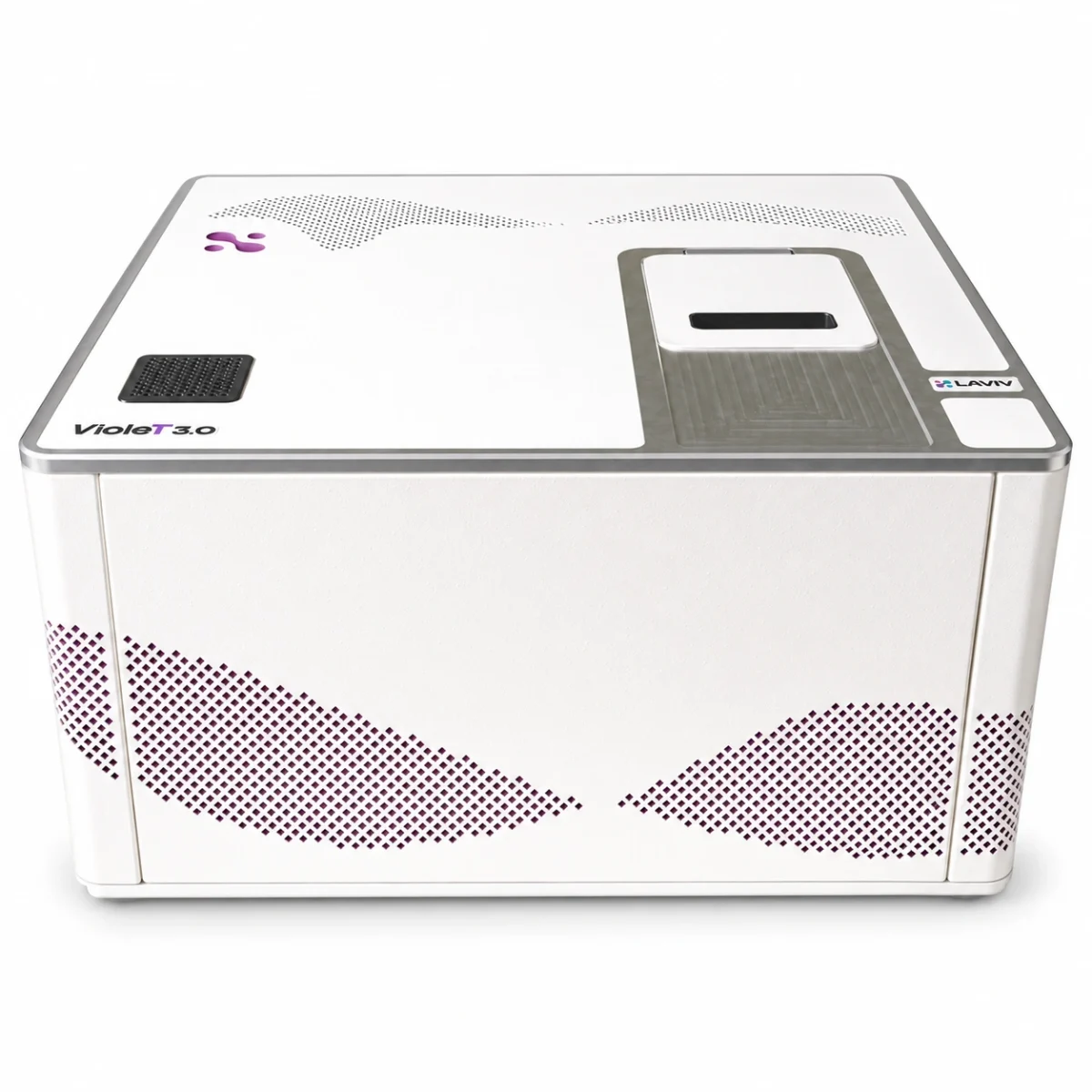
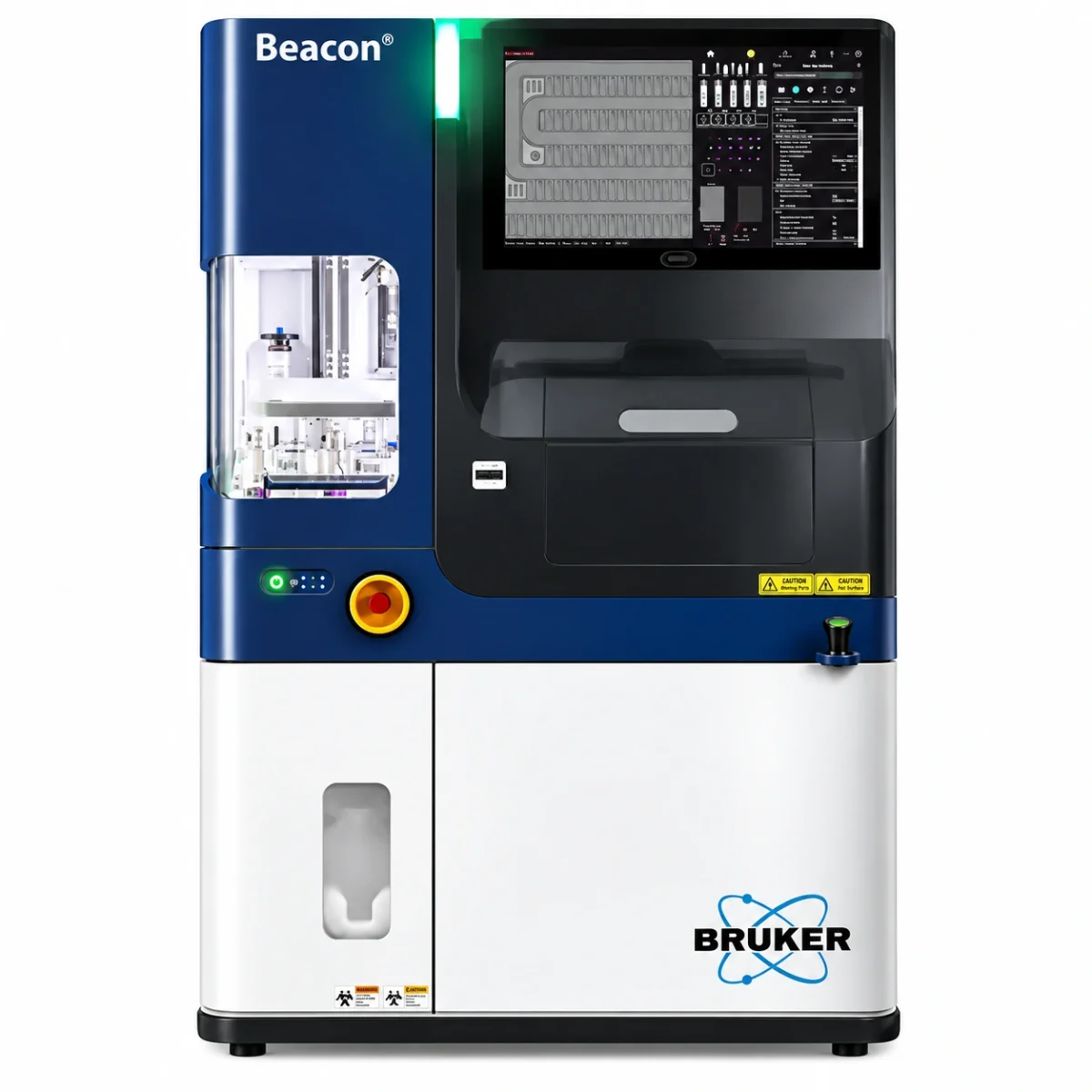
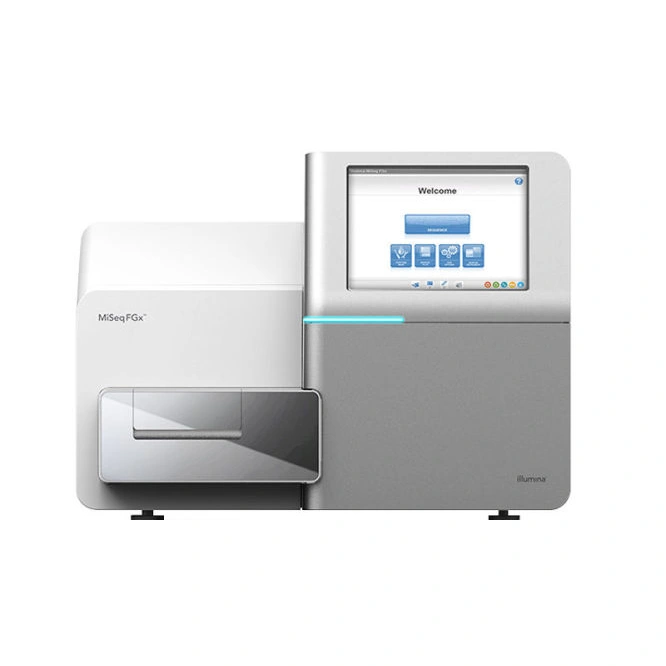
Compatible with standard dPCR platforms.
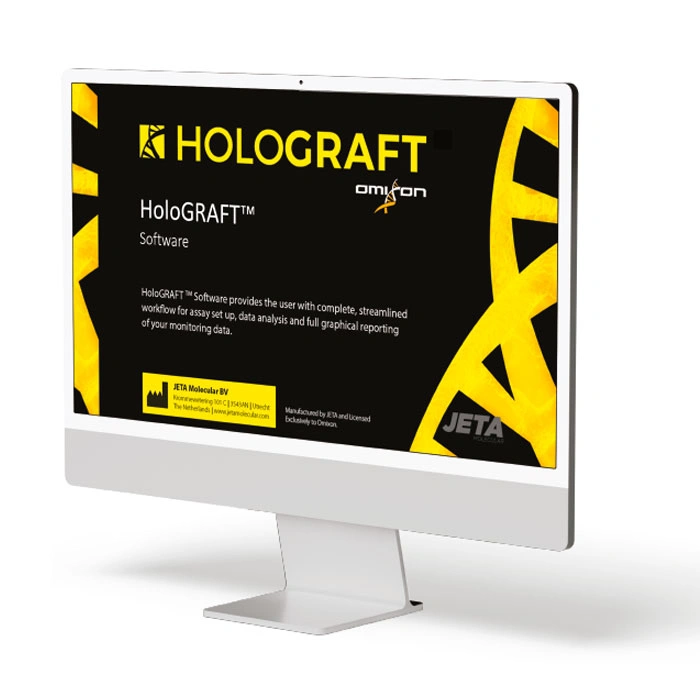
HoloGRAFT ONE Data Analysis

Ordering Information

Kit name: HoloGRAFT ONE Format: dPCR kit assay (for research use only) Sample type: recipient plasma Contents: dPCR amplification reagents, specific probes, controls Requires: prior donor/recipient genotyping (selection of informative markers) Result: percentage of dd-cfDNA relative to total circulating DNA Estimated analysis time: approximately 4 hours Compatible instrumentation: validated digital PCR platforms (consult provider) Intended use: non-invasive graft monitoring in solid organ transplantation

Area:

Immunology, Post transplantation, Solid Organ (dd-cfDNA)

Technology:

Brand:

Consult our experts

Google reCaptcha: Invalid site key.

Related products

Devyser LynchFAP

Devyser LynchFAP is a targeted NGS solution for the analysis of germline variants associated with hereditary colorectal cancer syndromes. The assay enables the detection of SNVs, indels, and CNVs in genes related to Lynch syndrome, familial adenomatous polyposis (FAP), and MUTYH-associated polyposis (MAP), also incorporating a specific LR-PCR for the correct localization of variants in…
Devyser
Next Generation Sequencing (NGS)

Devyser HBOC NGS

Devyser HBOC NGS is a fast and robust NGS solution aimed at the detection of germline variants in 12 genes associated with an increased risk of hereditary breast and ovarian cancer: ATM, BARD1, BRIP1, CDH1, CHEK2, NBN, PALB2, PTEN, RAD51C, RAD51D, STK11, TP53. It offers comprehensive and uniform coverage of all coding exons and exon/intron…
Devyser
Next Generation Sequencing (NGS)

Devyser BRCA NGS

Devyser BRCA NGS is a fast and robust NGS solution designed for the detection of genetic variants in the BRCA1 and BRCA2 genes. It offers comprehensive and uniform coverage of all coding exons and exon/intron junctions of both genes. In addition, it includes the detection of single nucleotide variants (SNVs), insertions/deletions (Indels), and copy number…
Devyser
Next Generation Sequencing (NGS)

Devyser BRCA PALB2 NGS

Devyser BRCA PALB2 NGS is a fast and robust NGS solution designed for the detection of genetic variants in the BRCA1, BRCA2, and PALB2 genes. It offers comprehensive and uniform coverage of all coding exons and exon/intron junctions of both genes. In addition, it includes the detection of single nucleotide variants (SNVs), insertions/deletions (Indels), and…
Devyser
Next Generation Sequencing (NGS)