Opens in a new tab
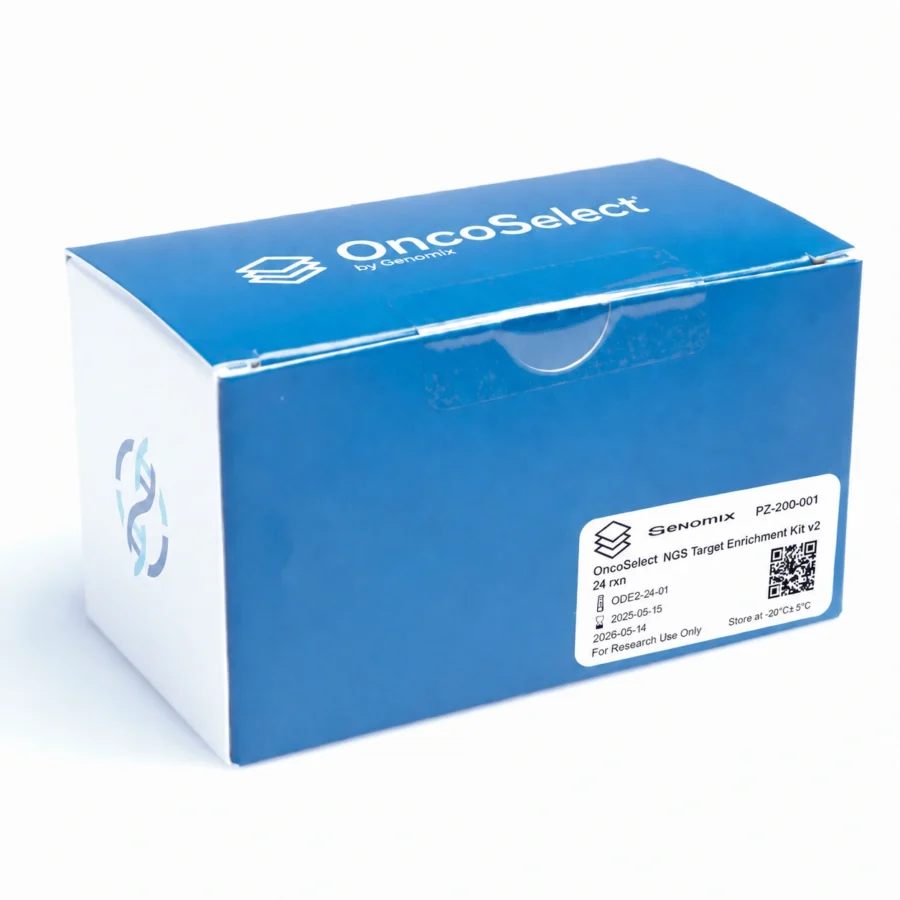
Comprehensive targeted liquid biopsy assay designed to support decision-making in oncology through the analysis of 74 clinically relevant genes. The solution encompasses everything from library preparation reagents to bioinformatics analysis, clinical interpretation and the generation of detailed reports.

3.- Detailed Description

Operating principle

OncoSELECT® is an advanced liquid biopsy panel based on circulating cell-free DNA (cfDNA) that enables the precise and simultaneous detection of the most relevant genomic alterations in oncology.
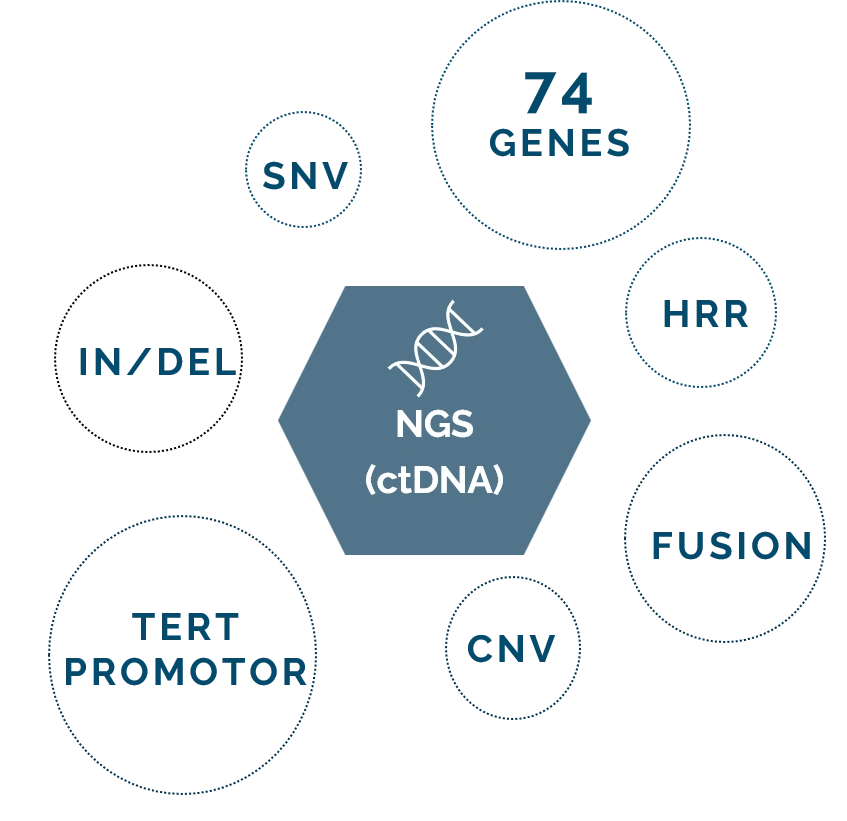
Image 1

The assay identifies single nucleotide variants (SNVs), insertions and deletions (Indels), variants in the TERT promoter, copy number variations (CNVs), alterations in the homologous recombination repair (HRR) pathway, gene fusions and unusual splicing events.
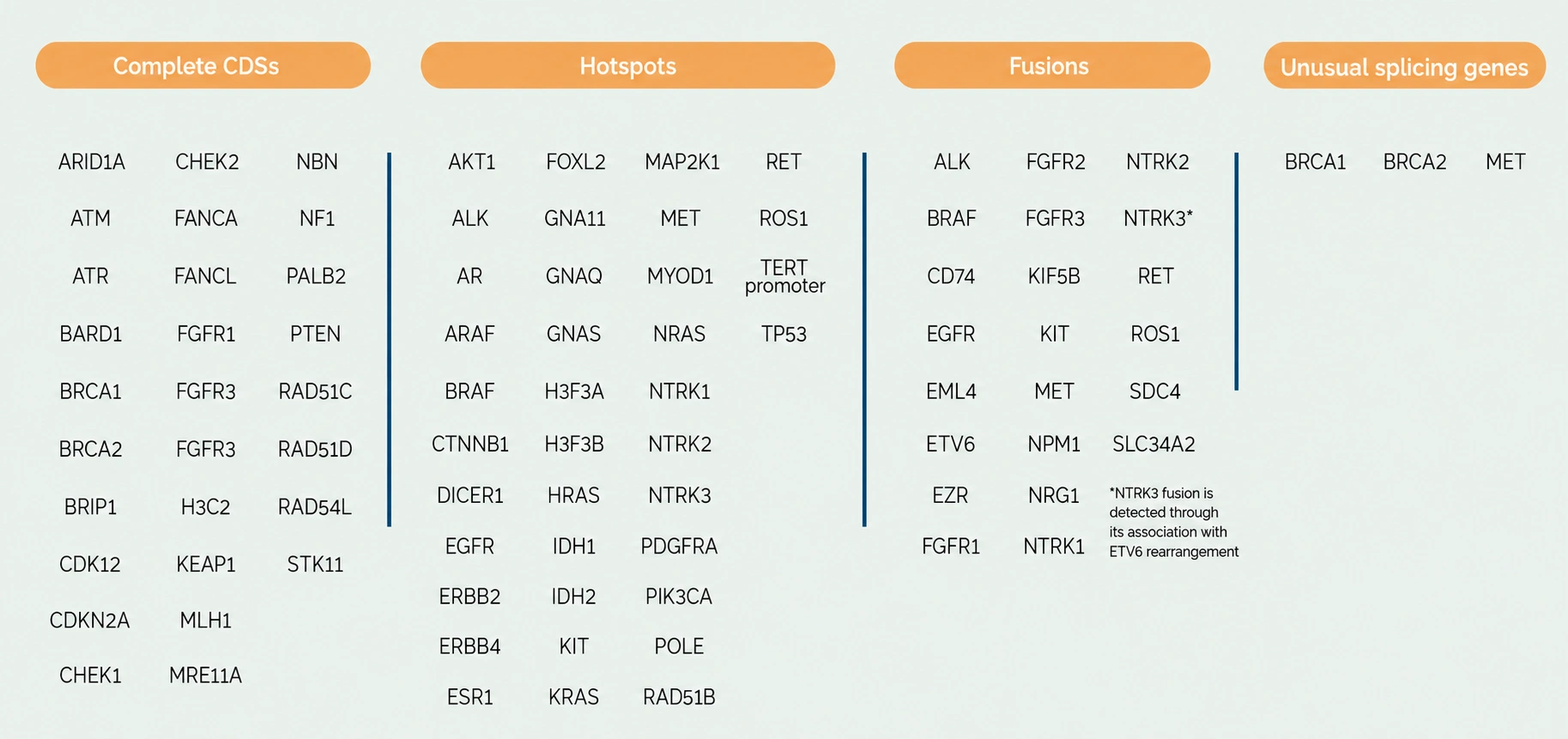
Image 2

The analytical workflow comprises end repair and dA addition to cfDNA, followed by the ligation of universal adapters equipped with unique molecular identifiers (UMIs) for error correction. Following PCR amplification and hybrid capture enrichment, the libraries are sequenced on Illumina platforms. Finally, the raw data are processed through the OncoSELECT® bioinformatics pipeline (secondary and tertiary analysis), culminating in personalised therapeutic interpretation through the OncoKDM® platform.
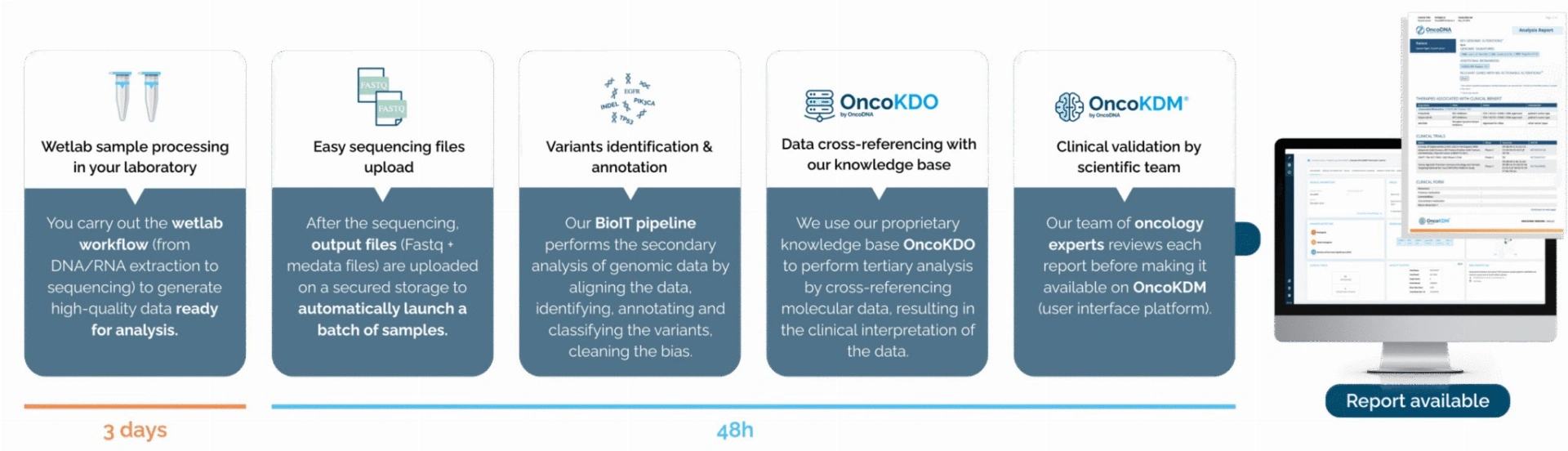
Image 3

Clinical applications

Genomic tool designed for the non-invasive molecular assessment of solid tumours. In a single test, it enables the detection of actionable molecular markers, the identification of potential therapeutic options (targeted therapies) and the assessment of the spatial and temporal heterogeneity of the oncological disease.

Benefits

Comprehensive molecular overview: Simultaneous and exhaustive detection of multiple types of genomic alterations from a single blood draw. Dynamic design: Continuous optimisation of panel content to reflect the latest advances in biomarkers and oncology guidelines. End-to-End solution: Covers the entire process, from sample processing in the laboratory (wet-lab) to expert clinical interpretation. Operational speed (TAT): Agile workflow that enables the generation of complete and actionable clinical results in approximately 5 days.

Intended audience/user

Molecular diagnostic laboratories, pathology departments and centres specialising in oncology seeking to implement liquid biopsy analysis in their own facilities.

Technology used

The assay is based on NGS hybrid capture enrichment technology, using unique molecular identifiers (UMIs) to ensure maximum sensitivity and specificity in the detection of low allele frequency variants (typical of cfDNA). It is compatible with Illumina sequencing platforms. The clinical interpretation of molecular findings is automatically supported by OncoKDM®, a proprietary expert-reviewed knowledge base.

4.- Key Aspects

High-impact targeted design: Strategic coverage of 74 cancer-relevant genes, addressing complete coding regions (Whole CDSs), hotspots, fusions and genes associated with unusual splicing.
Comprehensive genomic detection: Identifies SNVs, Indels, CNVs, fusions, splicing variants and specific alterations in the TERT promoter.
Superior precision and sensitivity: Assay architecture designed to mitigate technical noise and deliver highly reliable results from cfDNA.
Sequencing compatibility: Validated for multiple platforms in the Illumina family, including NextSeq 500/550, NextSeq 1000/2000, NovaSeq 6000 and NovaSeq X.
Centralised clinical interpretation: Data analysis powered by OncoKDM®, facilitating the translation of complex genomic data into clinically useful reports in ~5 days.
5.- Presentation Details

The kit is presented in a format that allows the analysis of 32 samples (up to 4 hybridisations, with 8 samples per hybridisation).

Area:

Liquid Biopsy, Solid tumor

Brand:

Consult our experts

Google reCaptcha: Invalid site key.

Related products

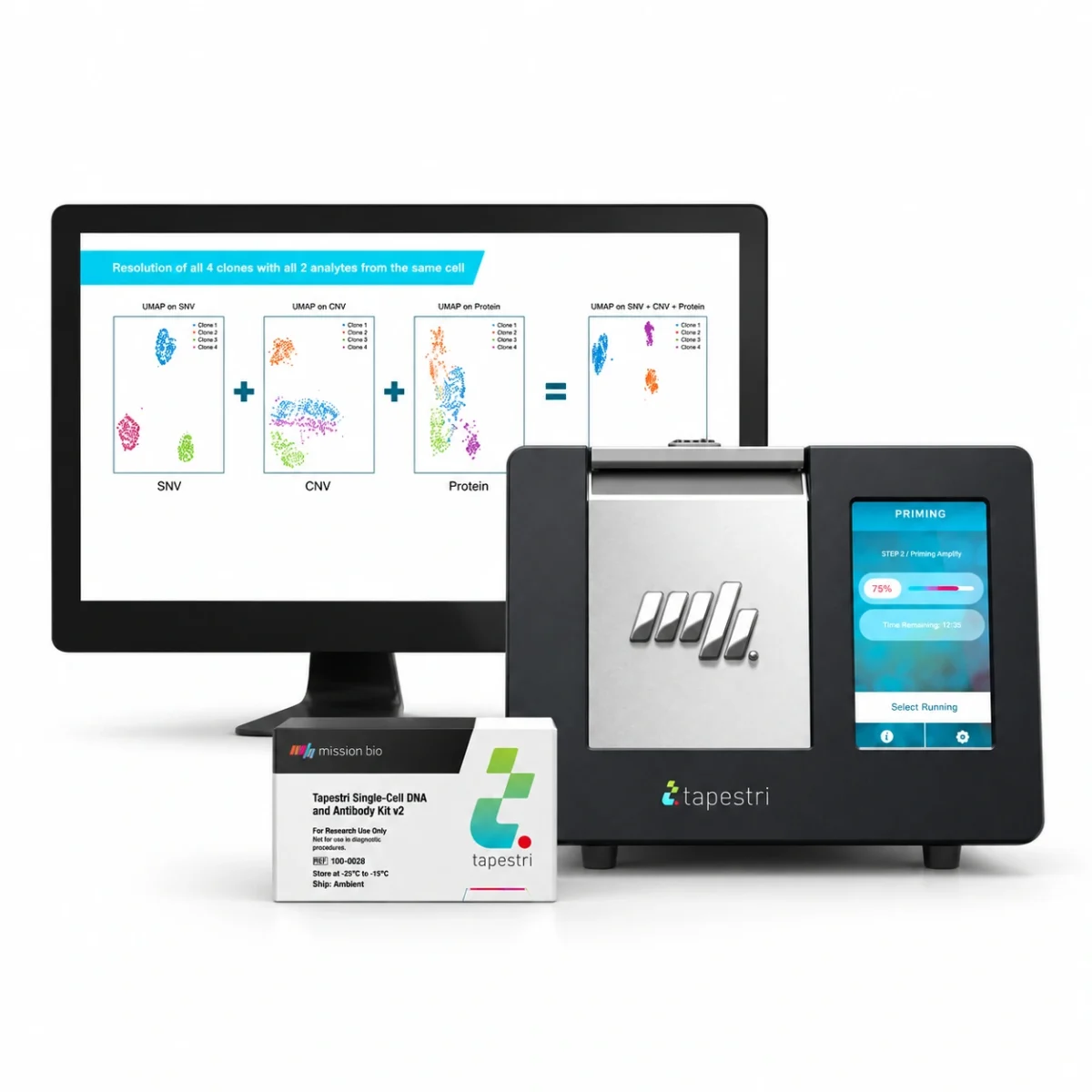
Tapestri™

Short description The Tapestri® platform enables the simultaneous integration of three biological dimensions from the same individual cell: DNA, RNA and surface proteins. This unprecedented multi-omics capability provides a direct and functional view of how specific genetic alterations (genotype) shape transcriptional expression and protein behaviour (phenotype), without the need to reconcile data from separate platforms.…
Mission Bio
Single cell Sequencing

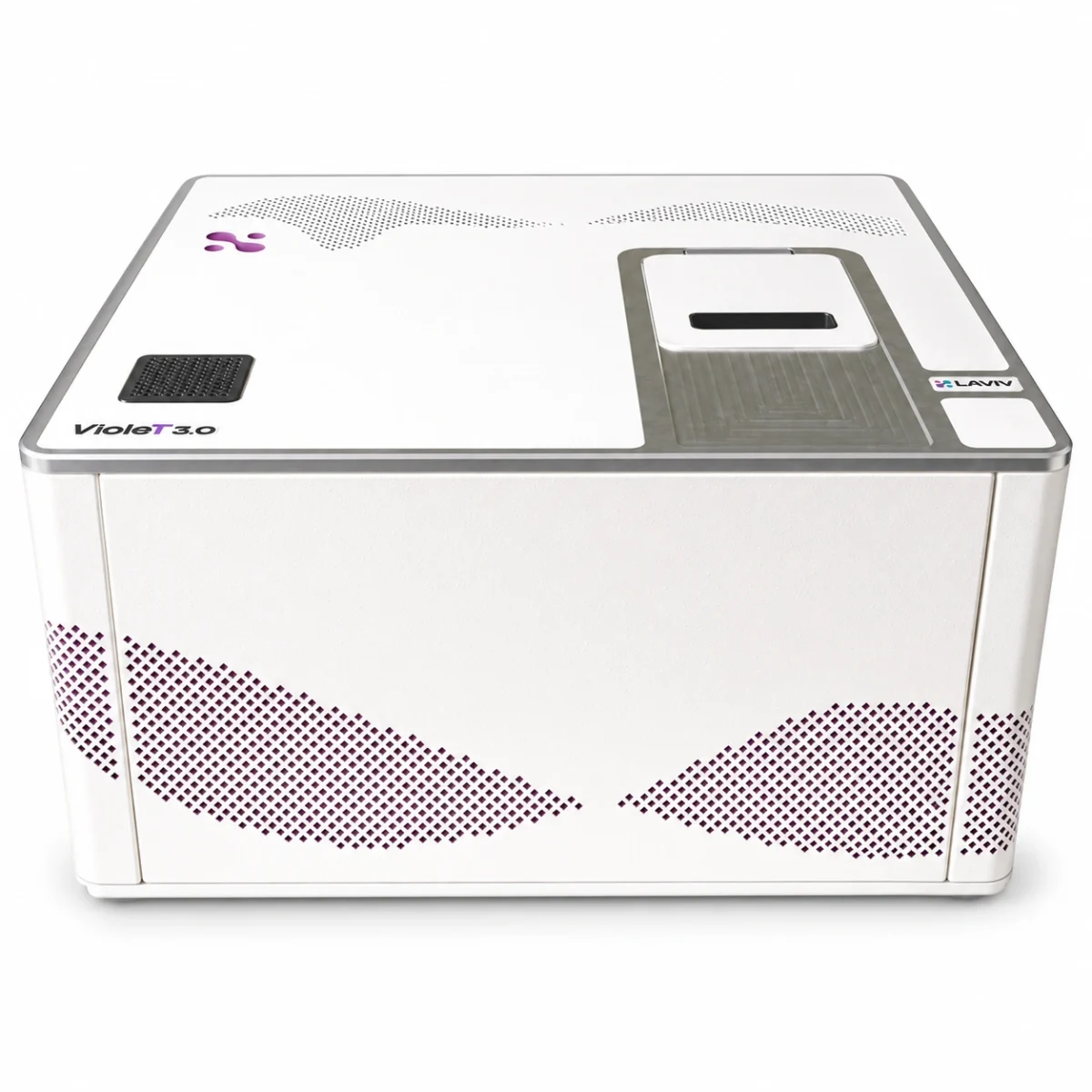
Violet 3.0 & QF-Pro® Technology

Conventional spatial biology reveals where proteins are; Violet 3.0 and QF-Pro® technology reveal what they are doing. Most current proteomic assays are limited to measuring molecular expression levels, overlooking whether proteins are actually activated or interacting with one another. In critical fields such as immuno-oncology, neurobiology and drug development, the relationship between expression and the…
Hawk Biosystem
Functional Assay

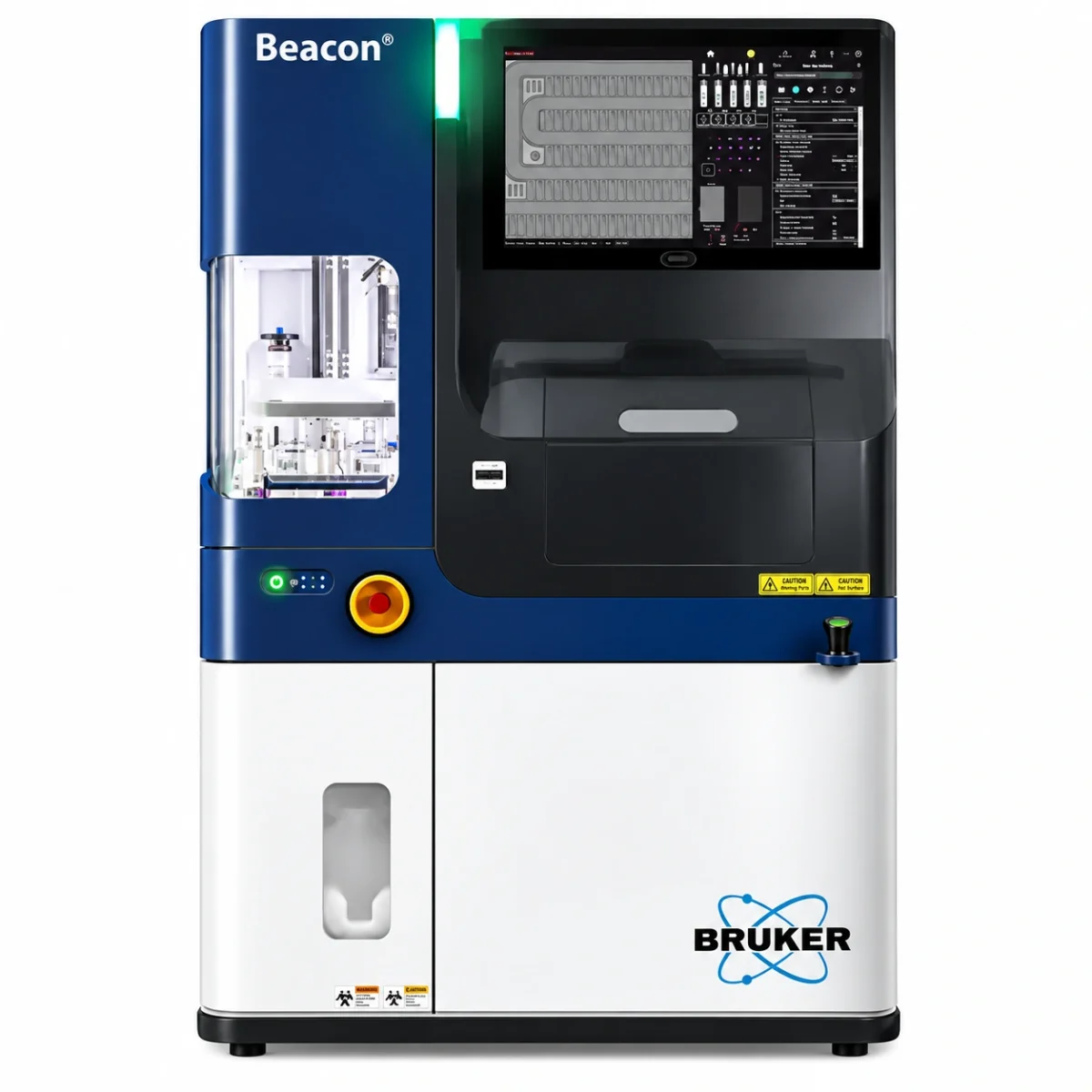
Beacon® Optofluidic Suite

The Beacon® Optofluidic Suite represents an absolute revolution in cell biology and biotherapeutic development. By synergistically integrating advanced microfluidics, precision optics, optoelectronics and artificial intelligence, this platform enables the isolation, culture, characterization and recovery of thousands of individual cells in a fully automated manner and in real time. Unlike traditional static or destructive methodologies, Bruker’s…
Bruker
Functional Assay

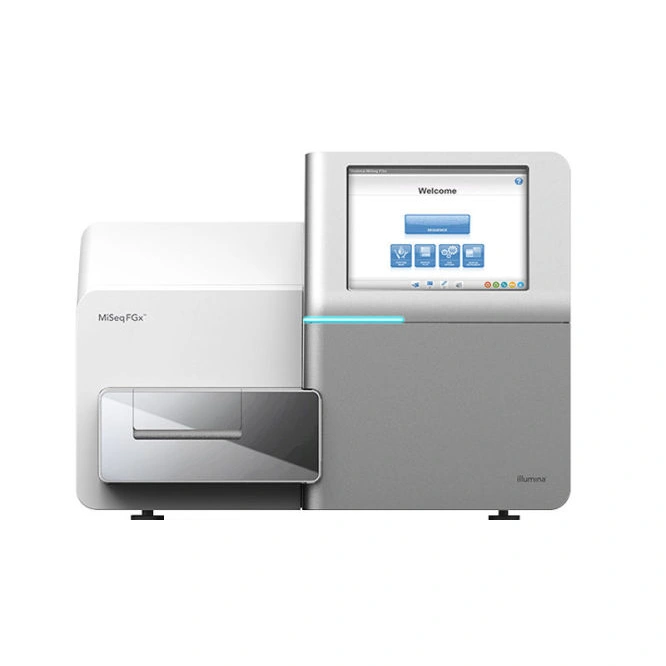
MiSeq FGx® Sequencing System and server with Universal Analysis Software (UAS)

MiSeq FGx is a benchtop sequencer designed for forensic genetics applications. Together with the dedicated server incorporating ForenSeq Universal Analysis Software (UAS), it enables users to configure runs, sequence libraries, analyse profiles and generate reports through a workflow adapted to forensic genetics applications. The application and type of report depend on the kit and the…
Qiagen
Next Generation Sequencing (NGS)