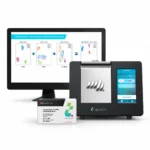
HRD analysis solution combining low-coverage whole-genome sequencing (shallow/low-pass WGS) and a targeted gene panel to detect genomic instability, BRCA1/2 alterations and other genes related to homologous recombination. It is designed for laboratories wishing to implement HRD testing in-house with an automated, efficient and clinically validated workflow.
Detailed Description
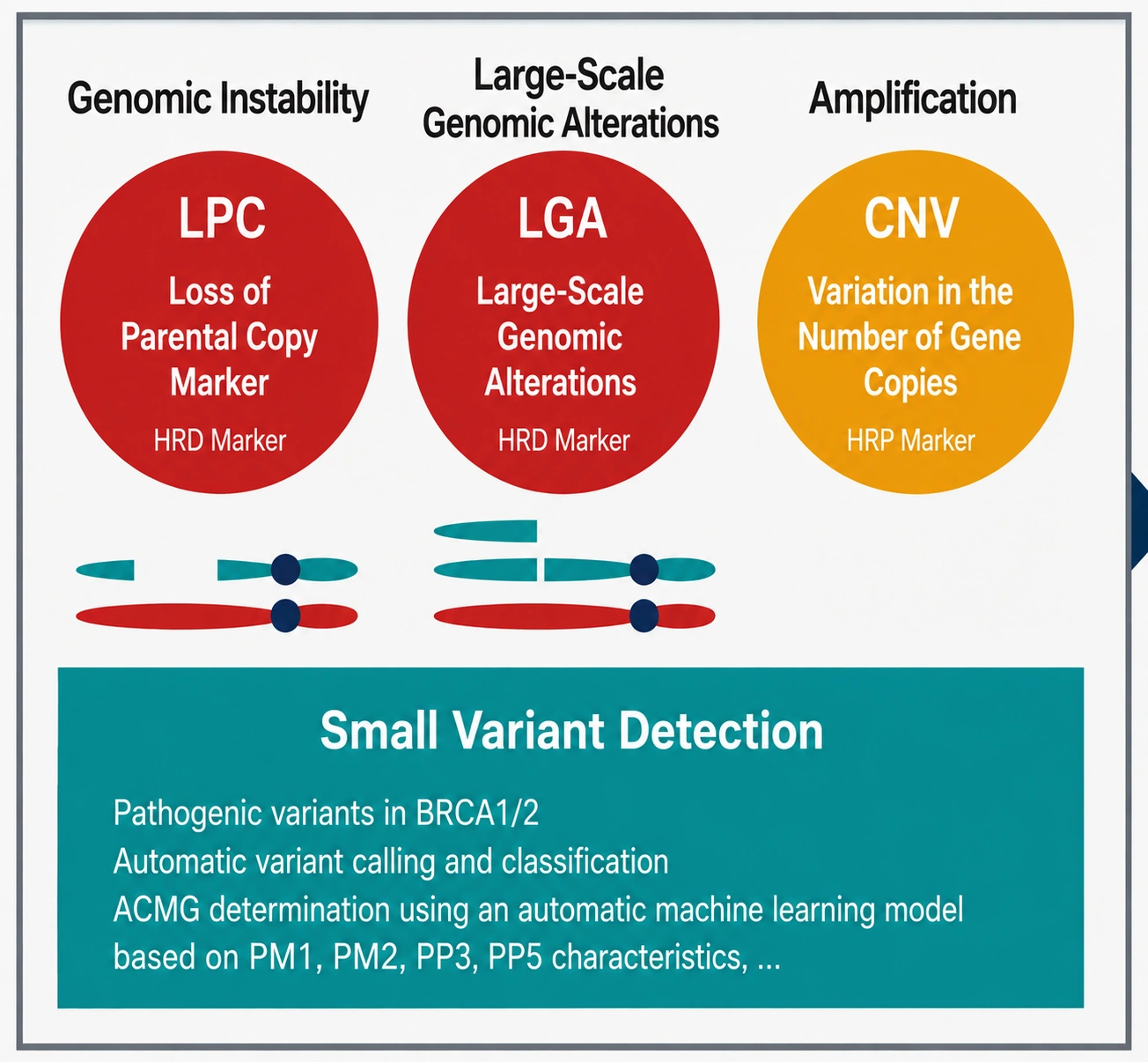
SeqOne’s HRD solution combines shallow WGS and a gene panel to generate a machine learning-based HRD score. The model integrates genomic instability and amplification markers, including:
LPC, loss of parental copy (Loss of Parental Copy), as an HRD marker.
LGA, large-scale genomic alterations (Large Scale Genomic Alterations), as an HRD marker.
CNV, gene copy number variation (Gene Copy Number Variation), described as an HRP marker.
Detection of small variants, including pathogenic variants in BRCA1/2.
Automatic variant calling and ACMG classification using a machine learning model based on criteria such as PM1, PM2, PP3 and PP5.
The analysis can be performed as a combination of shallow WGS + panel, or as shallow WGS alone assuming BRCA wild-type status.
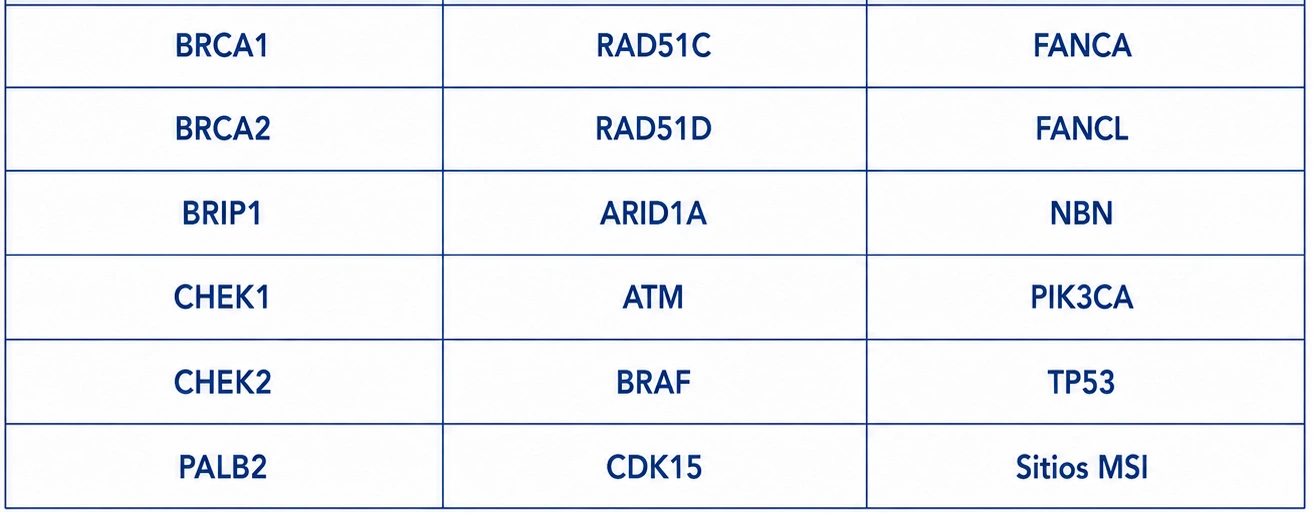
Complete list of genes:
Clinical applications
The solution is intended for the analysis of homologous recombination deficiency (HRD), a key biomarker for identifying ovarian cancer patients who are more likely to respond to treatment with PARP inhibitors. It enables the analysis of any tumour type requiring the study of the homologous recombination pathway.
Benefits
Superior performance in complex samples: Requires a minimum tumour cellularity of only ≥20% and has an inconclusive result rate of just 1% (compared with 4-7% for other centralised alternatives on the market).
Reduced TAT (Turnaround Time): Optimised workflow enabling parallel processing of the gene panel and sWGS, generating results in fewer than 5 working days.
Comprehensive automation: Protocol compatible with the Magnis NGS Prep system for walkaway library preparation, minimising manipulation time (hands-on time).
Centralised interpretation: Unified bioinformatics environment (SeqOne) for somatic and constitutional analysis, with automatic generation of clinical reports and full traceability.
Robust validation: Clinical support referenced in the PAOLA-1 study, ensuring maximum confidence in clinical decision-making for ovarian cancer management.
Technology used
The workflow combines massive sequencing (NGS) of a targeted panel with shallow/low-pass WGS. Library preparation and enrichment are based on Agilent’s proven SureSelect XT HS or XT HS2 chemistry, fully automatable on the Magnis NGS Prep system. Raw data processing (FastQ or VCF), HRD score calculation and variant classification are performed through the SeqOne Platform in vitro diagnostic medical device (CE-IVD), powered by Machine Learning algorithms.
Intended audience/user
Clinical laboratories, genetics services, molecular oncology and pathology departments that already perform targeted capture or wish to implement HRD testing in-house, seeking to internalise somatic genomic analysis with an automated, highly efficient platform.
Key Aspects
✓
Dual analytical approach:
Simultaneous integration of shallow WGS (optimal coverage ≥0.1X/1X) and a targeted gene panel (SureSelect CD HRR17).
✓
Minimal sample requirements:
Excellent sensitivity requiring only ≥50 ng of extracted DNA and tumour cellularity ≥20%.
✓
Leading diagnostic efficiency:
Inconclusive result rate minimised to 1%, maximising data recovery from difficult FFPE samples.
✓
High sequencing compatibility:
Validated for Illumina platforms (NextSeq and NovaSeq), allowing, for example, the multiplexing of 10 libraries (panel + sWGS) in a NextSeq mid-output run.
✓
Simplified end-to-end workflow:
Complete solution from DNA extraction to automatic clinical report generation, supported by validations for technical certification.
Presentation Details
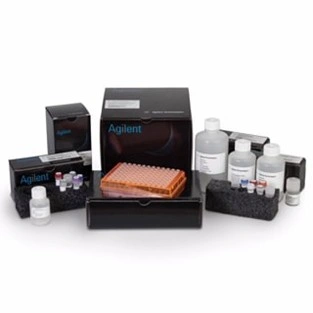
Commercial name Agilent SureSelect CD HRR17
Product type: Combined solution of wet-lab reagents (RUO) + cloud bioinformatics analysis and reporting (CE-IVD).
Sample type: DNA extracted from tumour tissue (minimum 50 ng, ≥20% cellularity).
Technical note: SureSelect CD HRR17 kits (16/96 rxn format) include capture probes only; XT HS/HS2 library and enrichment reagents must be purchased separately. Magnis formats include all preparation reagents.
Ordering References (Agilent Community Design Probes)
5282-0086 — Agilent SureSelect CD HRR17, 16 rxn
5282-0087 — Agilent SureSelect CD HRR17, 96 rxn
5282-0088 — Agilent SureSelect CD HRR17, 96 rxn Auto
G9723A — Agilent Magnis SureSelect CD HRR17, ILM, 32 rxn
G9723B — Agilent Magnis SureSelect CD HRR17, ILM, 96 rxn