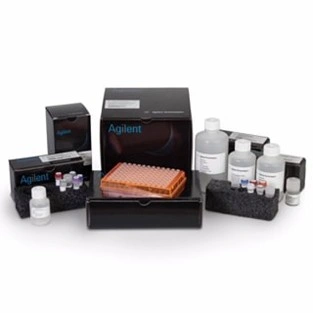
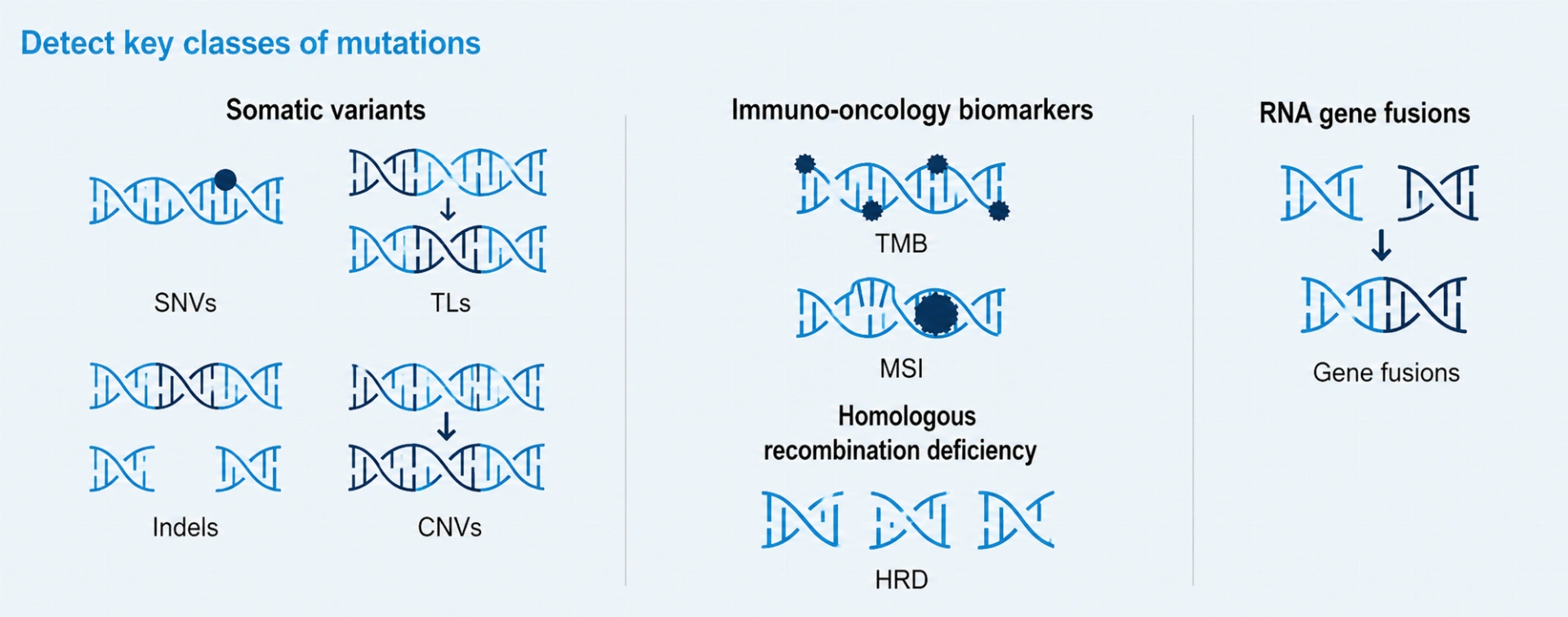
Targeted-enrichment NGS pan-cancer panel for comprehensive genomic profiling (CGP) of solid tumours. Designed to detect somatic variants at DNA level (SNVs, indels, CNVs, translocations) and RNA level (gene fusions), as well as to assess complex immuno-oncology biomarkers such as tumour mutational burden (TMB), microsatellite instability (MSI) and homologous recombination deficiency (HRD).
Detailed Description
Operating principle
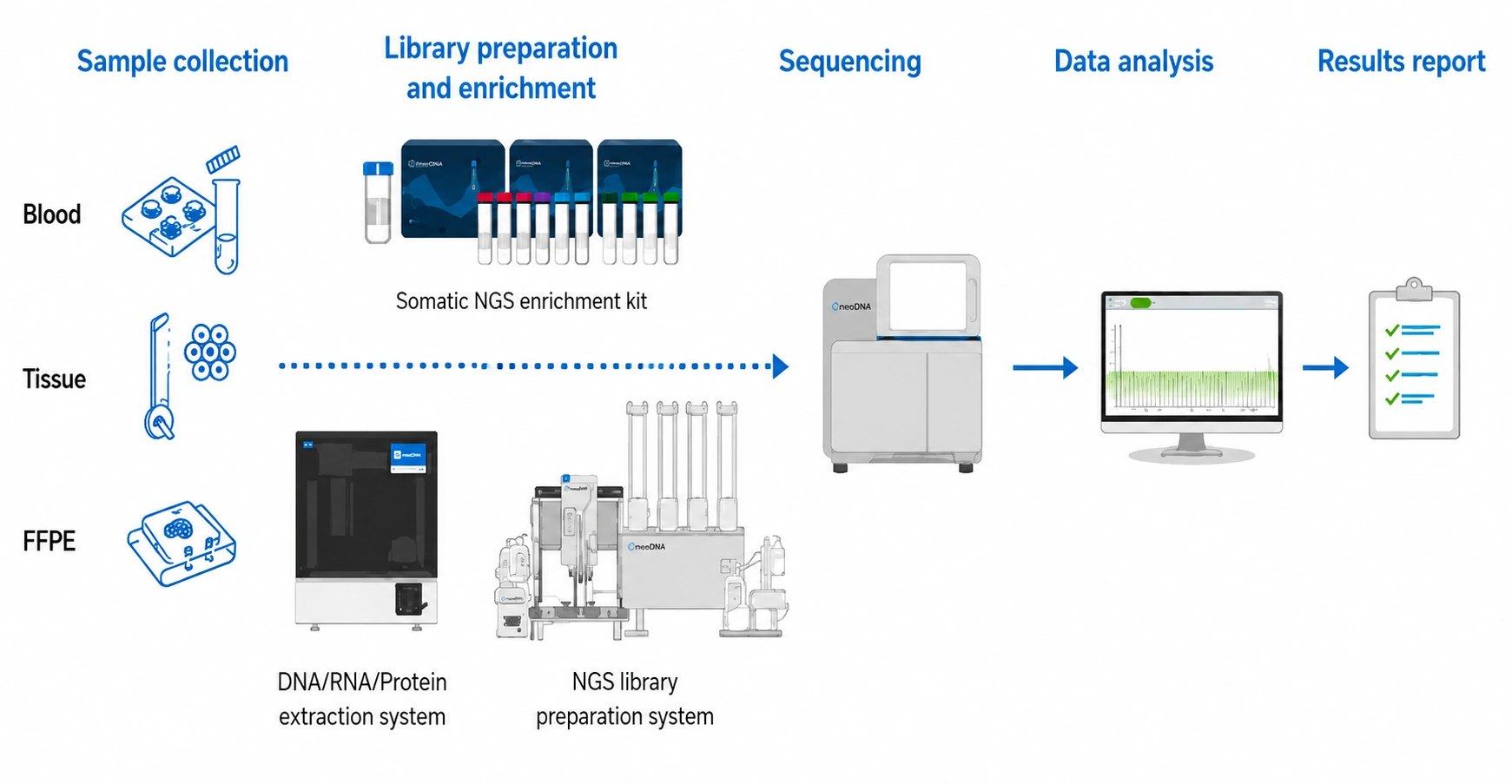
The SureSelect Cancer CGP assay uses SureSelect XT HS2 library preparation and target enrichment chemistry, based on hybridisation capture with probes. The system features a highly flexible modular architecture consisting of a 679-gene DNA module and an 80-gene RNA module. These can be processed separately or in parallel, allowing the libraries to be combined for joint sequencing in the same run.
Table 2. Gene content (DNA) in the SureSelect Cancer CGP assay, which are also available for use in designing SureSelect Cancer Custom panels.
SNVs/Indels
CNV
Translocations
The workflow integrates unique and dual molecular identifiers (UMIs and UDIs) to maximise analytical reliability through sequencing error correction. It stands out for offering highly robust performance with minimal DNA input requirements, demonstrating excellent enrichment efficiency even in challenging genomic regions (high GC content).
The assay ensures the detection of SNVs, insertions, deletions and CNVs at variant allele frequencies (VAF) down to 5%, and is optionally compatible with enzymatic fragmentation methods.
Clinical / research applications
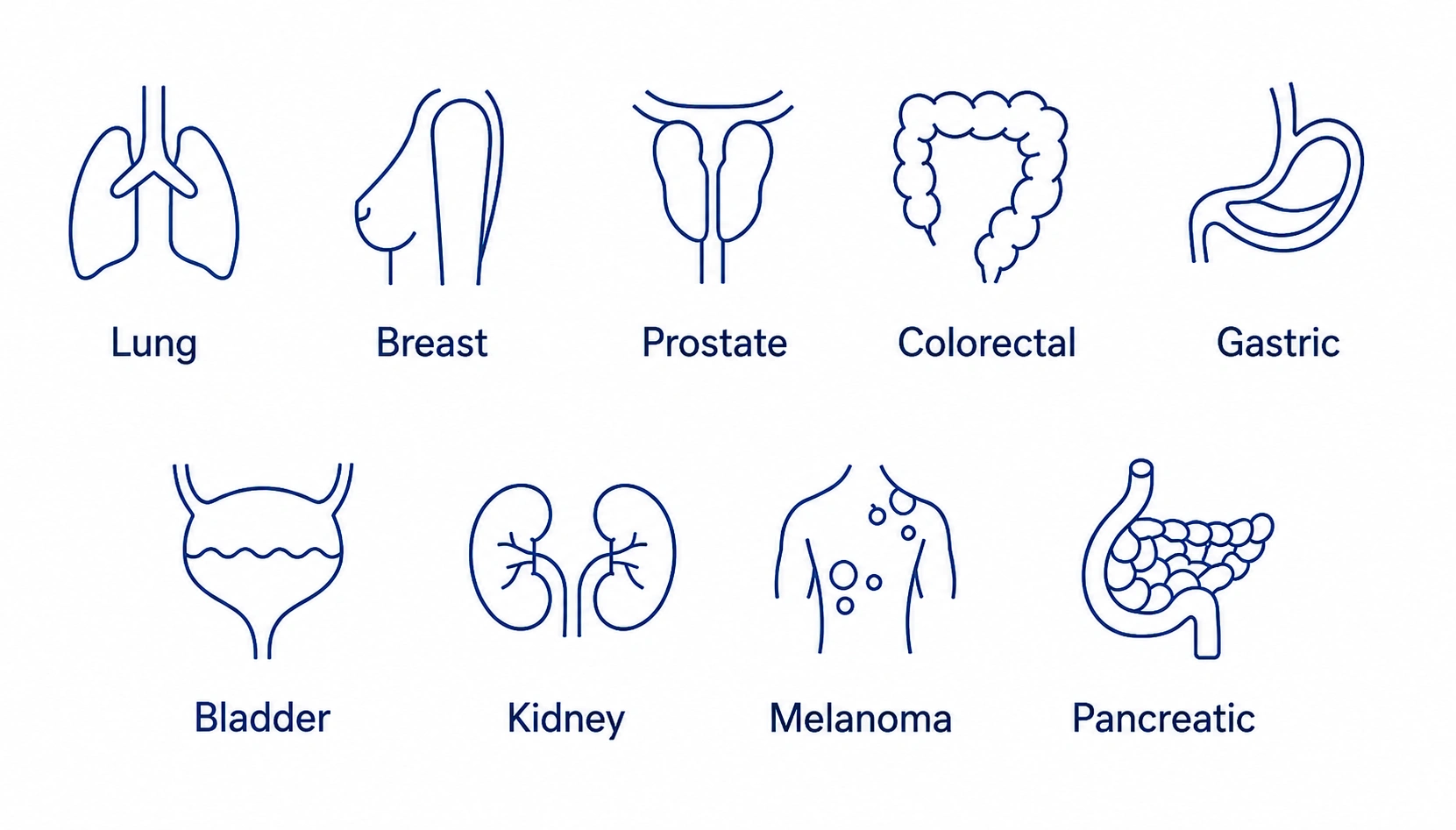
Intended for comprehensive genomic profiling of solid tumour oncology samples using a pan-cancer panel, facilitating the study of different tumour types such as lung, breast, prostate, colorectal, gastric, bladder, kidney, melanoma and pancreatic cancer.
Benefits
Intended audience / User
Molecular biology laboratories, pathology departments, clinical genetics services and translational oncology groups dedicated to genomic tumour profiling using NGS, requiring an optimised workflow from sample to final report.
Technology used
The NGS workflow is based on SureSelect XT HS2 for library preparation and target enrichment through hybridisation capture using SureSelect probes. It includes error-correcting molecular barcodes (UMIs and UDIs) and, optionally, an enzymatic fragmentation step.
Key Aspects
Robust pan-cancer design: Interrogates 679 genes at DNA level and 80 genes at RNA level.
Simultaneous and reproducible detection of conventional structural alterations (SNVs, indels, CNVs, translocations and fusions) and advanced immuno-oncology biomarkers (TMB, MSI and HRD).
Highly reliable detection of TMB and MSI, demonstrating excellent correlation with immunohistochemistry (IHC) staining patterns for MMR genes.
Limit of detection (LOD) established at 5% VAF for somatic variants.
High uniformity and deep on-target coverage, enabling accurate variant detection in both solid tissues and circulating cell-free DNA (cfDNA).
Consistent and comparable technical performance regardless of whether the workflow is manual or automated.
Presentation Details
View formats and ordering references
Commercial name: SureSelect Cancer CGP Assay
Product type: Enrichment and library preparation solution.
Sample type: Tissue (FFPE, fresh, frozen) and cfDNA.
Label: RUO (Research Use Only).
Complete Kit References
(Include SureSelect XT HS2 reagents; enzymatic fragmentation reagents are not included):
References exclusively for the automated Magnis NGS Prep System (Include enzymatic fragmentation reagents):